
What the BBL Fluffing Stage Is, and What It Is Not
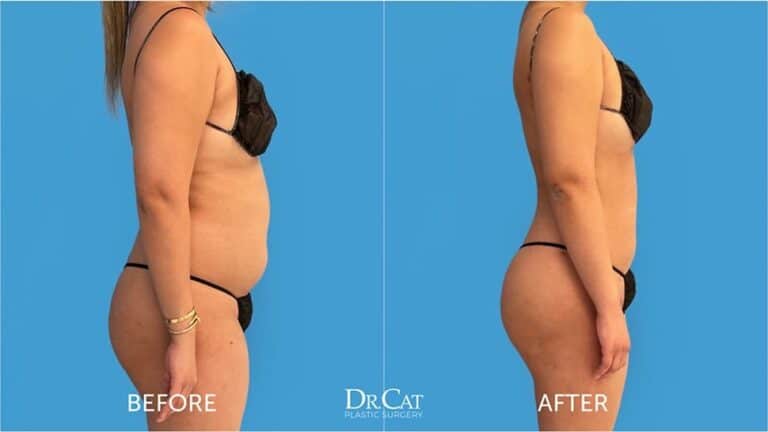
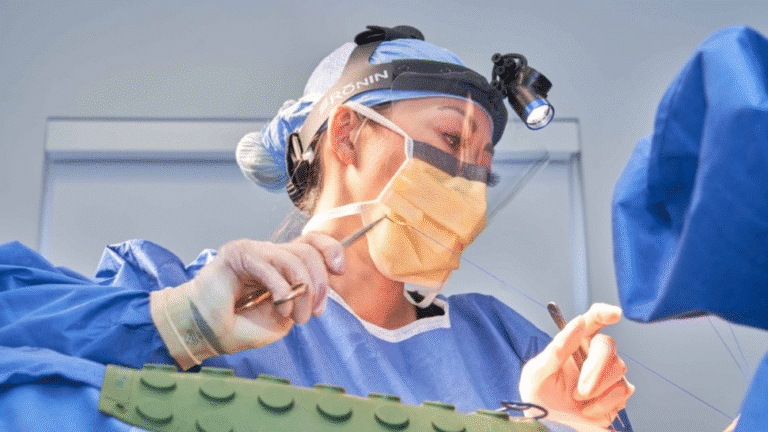
A Brazilian butt lift is liposuction, usually a lipo 360 of the abdomen, flanks, hips and back, plus a fat transfer: the harvested fat is washed rather than spun, so only intact fat is transferred, and placed in the buttocks and hips in many thin passes above the muscle. Right after surgery the graft sits under skin that has been stretched to hold it, with swelling and the tumescent fluid that came in with the fat. Over the following weeks the fluid drains, the swelling leaves, and the fat that took a blood supply becomes living tissue. Fluffing is the last step of that settling: the skin, no longer stretched over a swollen graft, relaxes, and the buttocks go from high, firm and tight to soft, rounded and natural, moving with you when you walk.
The misconceptions, which the "fluff fairy" name encourages:
- Fluffing is not instantaneous; it happens gradually from about week six.
- It is not a dramatic increase in volume, and it does not add fat cells.
- It does not signal the end of aftercare; the six-week rules end when Dr. Cat clears you, not when the shape softens.
- Not every change in those weeks is fluffing: a shrinking result in weeks two to six is fluid leaving, and a firm lump is not.
- It does not indicate higher fat survival; survival was decided earlier.
- It varies from patient to patient in timing and in how visible it is.
Next step: read how Dr. Cat harvests, washes and places the fat on our Brazilian butt lift in Beverly Hills page, or book a free discovery call.
When Does the Fluff Come After a BBL? The Timeline by Week and Month
Day 1
You wake in a compression garment that is open or loose over the buttocks, numb rather than sore from the numbing solution Dr. Cat places in every treated area, and go to a plastic surgery aftercare center for the first night, where nurses keep you off your back and get you walking. The buttocks look larger and firmer than the shape you discussed, because swelling and fluid are still there. Most patients manage with Tylenol.
Week 1
Swelling peaks around days five to seven; the liposuctioned back and waist are bruised and sore, the buttocks tight and heavy. The garment stays on day and night, removed only to shower, and you do not sit directly on the buttocks or lie on your back; for the moments you must sit, the BBL pillow the office provides puts your weight on the backs of the thighs. Most patients are back at desk work on the pillow in about a week.
Week 2
Bruising fades to yellow, swelling comes down, and the result looks smaller than it did at one week. That shrinkage is fluid leaving, not fat, and it is the change that worries patients most. Dr. Cat checks the incisions and starts scar care; out-of-town patients usually fly home around now, on the pillow.
Weeks 3 to 6
The waist looks smooth and defined as the swelling leaves it, and the buttocks are still firmer and slightly higher than they will be. The sitting rule, the pillow and the garment continue for the full six weeks: pressure in these weeks closes the new vessels growing into the graft before they mature, and it is the single habit that decides how much of the fat you keep. Walking every day, protein at every meal, no dieting, no nicotine.
Weeks 6 to 8: The Fluffing Stage
At about six weeks Dr. Cat sees you, and if healing is on schedule the rules end together: you may sit, lie on your back and take the garment off, because the fat has grown the blood supply that makes it permanent. Between six and eight weeks the skin relaxes and the shape rounds and softens. Picture a rubber band that has been held stretched: once the tension comes off, it eases back. The buttocks look fuller and lower and feel like the rest of you. This is the fluff.
Months 3 to 6
By three months the fat that will survive has survived, and the cells that did not take have been absorbed; take your first real photos now. The shape keeps softening, the scars are at their reddest and then fade, and glute training from bodyweight upward firms the muscle under the fat.
Months 6 to 12
The last swelling leaves the lower back and the area above the pubic bone, the two places that hold it longest after liposuction, and the shape you see is the shape you keep at a stable weight. Judge the size at six months, not at two weeks. The full timeline, with photos of one patient at one, two and four weeks, is in our BBL recovery guide.
Will My BBL Get Bigger After Fluffing?
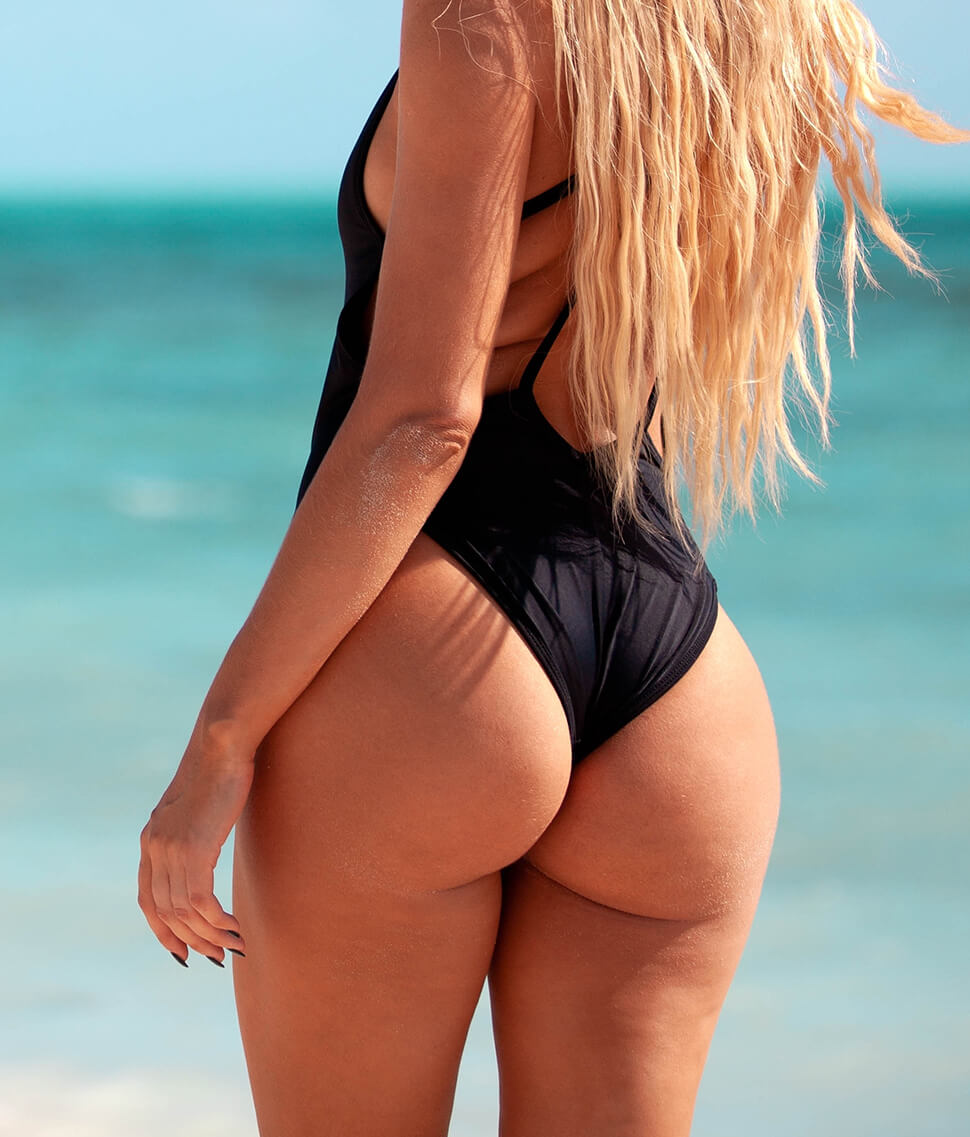
No. The size of a BBL follows a curve that runs the opposite way from what most patients expect. It is largest in the first week, when the graft holds swelling and fluid on top of the fat. It shrinks between weeks two and six as that fluid drains and as the cells that did not take a blood supply are absorbed. Then, at fluffing, it appears to grow again, because tight, swollen tissue that sat high on the pelvis softens, drops into a rounder curve and projects differently; in a photo from the side the buttock looks fuller, and in tight clothes it fills a lower, wider area. Nothing has been added. The fat you have at three months is the fat you have at a year, and every cell of it responds to your weight from then on, growing when you gain and shrinking when you lose, as our post on what happens if you gain weight after a BBL explains.
Swelling Versus Fat Survival: What You Are Looking At
Three things are in the buttocks after surgery, and they leave on different schedules. Swelling, the body's response to the liposuction and the transfer, peaks in the first week and is largely gone from the buttocks by week six. The fluid injected with the fat collapses within weeks, which is why a large early result elsewhere can shrink; Dr. Cat has the fat washed rather than spun so that as little fluid as possible goes in with it. The fat itself arrives with no blood supply, survives its first days on the tissue around it, and becomes permanent as capillaries grow into the graft; a cell they have not reached in time dies and is absorbed by about three months. Two things look like fat loss and are not: the shrinkage of weeks two to six, which is fluid, and the absorption of the cells that did not take, which Dr. Cat accounts for in the volume she places. In her experience more than 80 to 90 percent of the transferred fat survives, because of the gentle multi-phase harvest with thin cannulas, the washing, and placement in fine threads at multiple depths that living tissue can feed, rather than in pools. A shelf, a dent, a hard lump or a clear asymmetry still there once the swelling has gone is not settling; our page on a botched BBL separates normal healing from a real problem.
What Makes the Fluff Smaller
Survival is decided partly in surgery and partly by you. After surgery it depends on pressure, nicotine and calories:
- Sitting too early. Direct pressure on the buttocks in the first six weeks squeezes fluid out of the graft and closes the new vessels before they mature. No direct sitting and no lying on your back for six weeks, the pillow for the moments you must sit, and short sits with a stand every fifteen to twenty minutes.
- Compression on the buttocks. The BBL garment compresses the waist, back and abdomen and stays open over the buttocks on purpose. Shapewear, tight jeans and a faja that presses the buttocks do what the sitting rule forbids, and a soft donut cushion lets the buttocks sink onto the seat.
- Weight loss and dieting. A body short of calories in the weeks after surgery burns fat, including the fat you paid to move. Eat at least what you ate before surgery, with protein at every meal, and hold your weight for the first three months; long, hard fat-burning cardio in the first months does the same damage.
- Nicotine. Smoking or vaping narrows the capillaries as they grow into the graft. None for two months to a year before surgery, and none for the six weeks after.
- Massage. Dr. Cat does not prescribe lymphatic massage after a BBL; firm massage over the buttocks presses on the graft in exactly the way the sitting rule forbids.
Our post on why a BBL shrinks goes through each cause and what to do about it.
How to Protect the Fluffing Stage
- Keep the pressure off: no direct sitting and no lying on your back for six weeks, the pillow everywhere, and stomach sleeping with a wall of pillows behind you so a half-asleep roll stops before it lands on the graft. Our post on how to sleep after a BBL covers the bed setup.
- Wear the compression garment day and night for six weeks, with the foam pads over the liposuctioned areas, and have two so one can be washed.
- Walk from the first night and every day after; it clears swelling from the donor areas faster than anything else and protects against a blood clot.
- Feed the fat: smaller meals four to six times a day with protein at each, healthy fats, fruit and vegetables, water through the day, low salt, no alcohol in the first weeks, and no diet for three months.
- No smoking or vaping, and no hot tubs, baths or pools until every incision is closed and Dr. Cat clears them.
- Exercise in stages: light cardio and bodyweight movements after the first month, running and yoga at two to three months, HIIT and heavy weights at three to six months, each after her clearance, and nothing that presses the buttocks before six weeks.
- Keep every follow-up visit, and call for a firm lump that is tender or growing, a soft swelling that sloshes, a fever, or an odor; a healing BBL does not smell.
BBL Before and After Fluffing: Photos
Photos taken at two weeks show a swollen, high, firm result; photos at six months show the settled one. Dr. Cat's BBL before and after photos show her patients' results from the front, side and back, and the recovery guide above shows one patient at one, two and four weeks so you can see the swelling leave before the fluff arrives. Slim patients are planned differently, not excluded: a skinny BBL harvests every usable pocket with a full liposuction 360 and places a smaller volume for proportion rather than size, and its fluffing stage follows the same six-to-eight-week schedule with a subtler change, because there is less volume under the skin to settle.
Talk to Dr. Cat About Your BBL
Start with a free 15-minute discovery call with our Patient Concierge, who answers your first questions and books your consultation. The consultation with Dr. Cat is $500 for a first consultation and $1,500 for a revision consultation, credited in full toward your surgery; out-of-town patients consult by private video through OnPatient, the practice's HIPAA-secure patient portal. Book a free discovery call to get started.