

Signs of Bad Tummy Tuck: Reassurance and Hope After Surgical Disappointment
Did you have a tummy tuck only to be left with less-than-ideal results?We know how devastating it feels to come out of surgery and suspect signs of abad tummy tuck. The worst part? It's not as rare as you think. At least 10-20%of patients suffer abdominoplasty complications. If you're dealing with a tummy tuck gone wrong, you're not alone — and there are real options for getting the outcome you originally hoped for. Dr. Cat has helped many patients who came to her after experiencing disappointing abdominoplasty results elsewhere. Below, we'll walk you through the warning signs, what causes complications, and how revision surgery can make a difference.
Throughout her career, Dr. Cat has helped hundreds of patients overcome the effects of botched surgery. This regrettably common outcome stems from various potential factors—some entirely out of your control.
The silver lining? With the right guidance and support, you can get back to loving your body again.In this article, we share insights on abdominoplasty, advice for remedying poor tummy tuck outcomes, and clarity after post-op setbacks.
Understanding Tummy Tucks: A Brief Recap of the Procedure and Expectations
A tummy tuck, or abdominoplasty, is a surgery to tighten the abdominal muscles and tissue by removing excess hanging skin and fat from the tummy.
Dr. Cat specializes in five types of tummy tucks:
Also known as a traditional tummy tuck, this procedure elevates your tummy skin to the ribs, repairing your muscles and creating a corset within your abdomen. After removing and closing the incisions, Dr. Cat creates her signature belly button.
This resembles a traditional tummy tuck, except it doesn't tighten the muscles or abdominal wall.
A mini tummy tuck focuses solely on your lower abdomen. This incision is shorter, avoiding the belly button entirely. Dr. Cat lifts the lower tummy tissue and removes the excess.
This is similar to a full tummy tuck, except it also tightens the tummy and the sides of the abdomen. As a result, it involves a longer incision extending to the back.
In a revision tummy tuck, Dr. Cat corrects poorly-performed tummy tucks on patients who have undergone surgery and are disappointed with their results.
Ensuring quality tummy tuck results is what Dr. Cat is known for. But what are some common suboptimal abdominoplasty indicators?
Red Flags: Identifying Signs of Bad Tummy Tucks
 Worried that your procedure didn't go as planned? You'll want to start by recognizing the signs of bad tummy tuck surgery.
There are many potential complications, such as:
First, why do these complications happen to begin with?
What Does a Tummy Tuck Gone Wrong Actually Look Like?
A tummy tuck gone wrong can show up in several ways, and the signs aren't always obvious right away. Some patients notice persistent asymmetry in the abdominal contour — one side may appear flatter or more sculpted than the other. Others develop a belly button that looks unnatural, either too high, too low, or oddly shaped after the umbilicoplasty portion of the procedure. Visible dog ears — small folds of excess skin at the ends of the incision line — are another common complaint. Thick, raised, or widened scars that don't fade over time can also signal a suboptimal result. In more serious cases, patients may notice skin necrosis (tissue death) near the incision site, which presents as darkened or hardened skin. Fluid collections known as seromas can develop under the skin flap, creating a noticeable swelling that doesn't resolve on its own. Recognizing these signs early gives you the best chance of addressing them
effectively.
Expert Perspective: What Leads to a Bad Tummy Tuck?
Abdominoplasty complications can arise for many different reasons.
This might include:
Whatever the reasons, you deserve to feel confident and comfortable in your own skin.
A promising way forward? Dr. Cat's reconstructive expertise.Tummy Tuck Scars and Healing: What's Normal After One Year?
Scarring is a natural part of any surgical procedure, but understanding what's typical versus what's concerning can ease a lot of anxiety. In the first few months after abdominoplasty, scars are usually red, raised, and firm — that's your body's normal healing response. By the six-month mark, most scars begin to flatten and lighten. After about a year, a well-healed tummy tuck scar should be a thin, pale line that sits low enough to be hidden by underwear or a bikini bottom. If your scar is still thick, ropy, dark, or raised after twelve months, you may be dealing with hypertrophic scarring or keloid formation. Factors like genetics, skin type, sun exposure, and how well post-operative instructions were followed all play a role. Scar revision techniques — including laser treatments, steroid injections, or surgical scar excision — can help improve the appearance when healing hasn't gone as expected.
Tummy Tuck Revision with Dr. Cat: Ensuring Safety and Satisfaction Moving Forward
Having plastic surgery is a deeply personal decision. With it comes a mix of anticipation, joy, even fear. Complications can make it feel like all those fears came true. It doesn't make trusting surgery again any easier, either.
But Dr. Cat Huang-Begovic understands what led you here. As a revision specialist, she's helped many patients with navigating tummy tuck concerns. And she's passionate about correcting poor outcomes.
Her renowned skill and caring approach are matched by an unwavering commitment to helping you achieve your aesthetic goals. And transparency? It underpins every procedure, so you're never blindsided or let down.
How to Prevent a Tummy Tuck Gone Wrong
Prevention starts well before you ever step into an operating room. Choosing a board-certified plastic surgeon with specific experience in abdominoplasty is the single most important step you can take. Review their before-and-after gallery carefully — look for patients with a body type similar to yours. During your consultation, ask about the surgical technique they plan to use, where the incision will be placed, and how they handle the belly button reconstruction. Be honest about your medical history, including any medications, smoking habits, or previous surgeries. Patients who follow pre-operative guidelines — like quitting smoking at least four weeks before surgery and maintaining a stable weight — tend to have smoother recoveries and better outcomes. After surgery, wearing your compression garment as directed, attending all follow-up appointments, and avoiding strenuous activity during the recovery window are all
critical for protecting your results.
Who May Be at Higher Risk for Tummy Tuck Complications?
Not every patient is an ideal candidate for abdominoplasty, and understanding your risk factors before surgery can help you avoid a poor outcome. Patients who are actively losing weight may see their results shift as their body continues to change, sometimes leading to loose skin or contour irregularities that mimic a tummy tuck gone wrong. If your family isn't complete and you plan future pregnancies, the abdominal muscle repair achieved during surgery can be undone, requiring a second procedure down the road.
Overall health matters too. Conditions like uncontrolled diabetes, autoimmune disorders, or a history of poor wound healing can increase the chance of complications such as infection, delayed healing, or widened scars. Smoking is another significant risk factor because nicotine restricts blood flow to healing tissues. In our experience, patients who are transparent with their surgeon about their full medical history tend to have smoother recoveries and better long-term results. A thorough pre-operative evaluation is one of the most effective ways to reduce surgical risk.
Your Next Steps: Addressing Tummy Tuck Issues
Most people seek plastic surgery to improve their self-esteem and body image. When that surgery doesn't go as planned? It can intensify those insecurities, prompting disappointment and even greater self-doubt.
Get opinions from multiple providers
Every surgeon has their own skill set and approach to plastic surgery. Don't be afraid to talk to different providers and compare their treatment plans.
Maintain a strong support system
Coping with botched plastic surgery is a difficult and emotional process. Now's the time to lean on your friends and family for emotional support.
Find a revision specialist you trust
Ready to undo a bad tummy tuck? Be thorough about vetting potential revision surgeons. Research their facility, testimonials, and before/after photos to make sure they align with your standards.Be kind to yourself
In addition to feeling unhappy with the results, we're quick to blame ourselves when cosmetic surgery doesn't go our way. Try to get out of that mindset. Give yourself compassion and be grateful for the opportunity to make it right.
If you've had tummy tuck surgery and feel like something is off—trust your gut (pun intended).
Emotional Impact of a Bad Tummy Tuck and How to Cope
The emotional toll of unsatisfactory surgical results is something we see patients struggle with regularly. Feelings of regret, frustration, and even grief are completely normal when your body doesn't look the way you expected after a major procedure. Some patients describe anxiety about being judged or shame about having chosen surgery in the first place.
One common question we get is whether these feelings will pass on their own. For many people, the emotional weight doesn't fully lift until they have a clear plan for correction. Speaking with a therapist who understands body image concerns can be incredibly helpful during this time. We also encourage patients to connect with others who have been through similar experiences, whether through online communities or support groups. Recognizing that you are not alone, and that corrective options exist, is often the first step toward feeling like yourself again. Your mental health deserves the same attention as your physical recovery.
According to a study published in Plastic and Reconstructive Surgery, revision abdominoplasty patients reported high satisfaction rates when the corrective procedure was performed by a board-certified plastic surgeon with specific experience in secondary cases.
Understanding the Tummy Tuck Revision Process
Revision abdominoplasty is a corrective procedure designed to address problems from a previous tummy tuck. It's typically more complex than the original surgery because the surgeon is working with altered anatomy, existing scar tissue, and potentially compromised blood supply to the skin flap. Most surgeons recommend waiting at least six to twelve months after your initial procedure before pursuing revision — this allows swelling to fully resolve and tissues to mature. During a revision consultation, Dr. Cat evaluates the specific issues at hand, whether that's excess skin laxity, poor scar placement, contour irregularities, or muscle repair that didn't hold. The surgical plan is then customized to your anatomy and goals. Recovery from revision surgery is generally similar to the original procedure, though some patients find it slightly shorter since less tissue may need to be addressed. Setting realistic expectations with your revision surgeon is key to a satisfying outcome.
FAQs: Addressing Questions and Concerns About Tummy Tuck Revisions
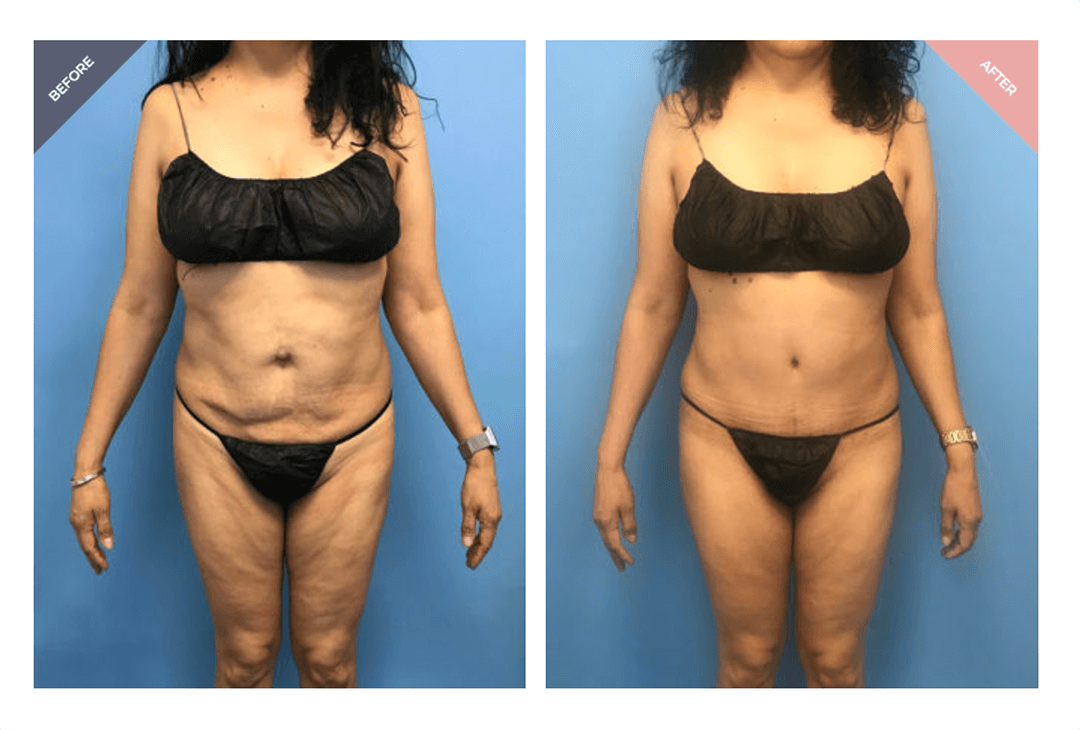 Still have questions about addressing tummy tuck issues? You're not the only one.
Here are some of Dr. Cat's frequently asked patients regarding unsatisfactory tummy tuck results:
How do I know if my tummy tuck went wrong?
Signs of tummy tuck complications include:
Is it normal to have a bulge after a tummy tuck?
Yes—Some patients will experience a slight bulge in the abdominal area. If you follow your post-op instructions and wear your compression garments as needed, this bulge should subside within three months after your procedure.
What are the most common signs of a tummy tuck gone wrong?
Common signs include persistent asymmetry, an unnatural-looking belly button, wide or raised scars that don't improve over time, dog ears at the incision ends, fluid buildup (seroma), and skin necrosis near the incision site. If any of these persist beyond the normal healing window, consult a board-certified plastic surgeon.
How long should I wait before getting tummy tuck revision surgery?
Most plastic surgeons recommend waiting at least six to twelve months after the original abdominoplasty. This allows swelling to fully subside and scar tissue to mature, giving your revision surgeon the clearest picture of what needs to be corrected.
Can a tummy tuck gone wrong be fully corrected with revision surgery?
Many issues from a previous tummy tuck — including poor scarring, contour irregularities, and belly button distortion — can be significantly improved through revision abdominoplasty. Results depend on the specific problem, your anatomy, and the skill of your revision surgeon. A thorough consultation is the best first step.
Is there an alternative to tummy tuck?
Absolutely! Some alternatives to tummy tuck surgery include:
Wearing your compression garment is vital to achieving your desired results. If you don't, it can lead to the tissues stretching, which can cause noticeable scarring. It could also prolong swelling, leading to discomfort and suboptimal results.
Dr. Cat Plastic Surgery: Safety and Satisfaction Are Within Reach
Confronting signs of bad tummy tuck surgery isn't easy. But if you're here, we're guessing you knew that.
At Dr. Cat Plastic Surgery, it's our mission to help you regain confidence and self-love. With Dr. Cat, you'll feel empowered to pursue revision with trust and hope.
Your second chance is waiting.
Book your consultation with Dr. Cat today.Frequently Asked Questions About Tummy Tuck Gone Wrong
Q: What health conditions increase the risk of tummy tuck complications?
A: Uncontrolled diabetes, autoimmune disorders, obesity, and smoking all raise the risk of poor healing, infection, and scarring after abdominoplasty. Patients in poor overall health should work closely with their doctor to address these issues before considering surgery.
Q: Should I wait until I'm done having children to get a tummy tuck?
A: Yes. Pregnancy stretches the abdominal muscles and skin, which can reverse the results of a tummy tuck. Most surgeons recommend completing your family first so your results remain stable long term.
Q: Can losing weight after a tummy tuck cause problems with my results?
A: Significant weight loss after abdominoplasty can lead to new loose skin or contour changes that affect your outcome. We typically recommend reaching a stable weight you can maintain before undergoing the procedure.


