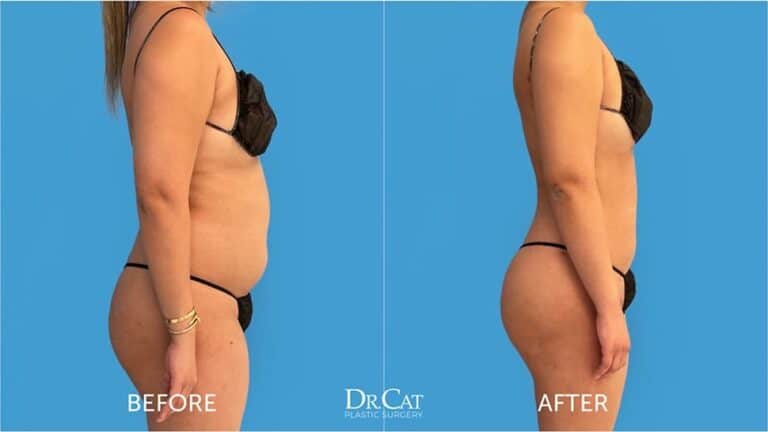


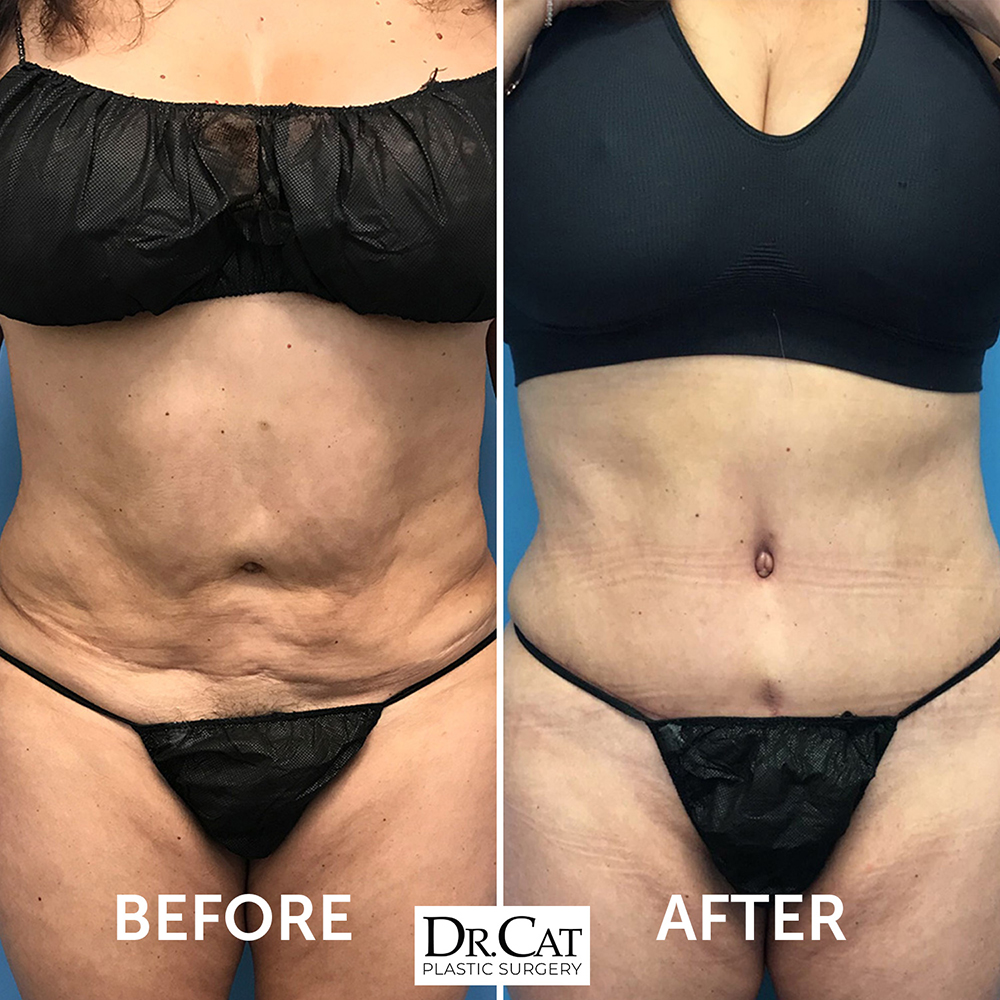
World-renownedBeverly Hills plastic surgeon Dr. Cat has seen the heartbreaking effects of botched surgeries in her recent consultations, with more than half of patients looking to fix disfigurations from bad plastic surgery.
Sadly, this profoundly impacts a person's confidence and quality of life.
The devastation only compounds when some patients discover the disfigurement is beyond repair. In cases where correction is possible, it can require extensiveliposuction revision surgery, often involving multiple procedures to achieve the desired results.
So, what can you do? Hope is within reach. If you're struggling with the aftermath of botched liposuction, we're here for you.
Today, Dr. Cat weighs in with her expert insights on why liposuction irregularities happen, the corrective measures available to undo the damage, and the importance of choosing the right surgeon.
Signs That Your Liposuction Has Gone Wrong
Not every imperfect result means your liposuction gone wrong requires surgery, but certain signs do warrant a professional evaluation. Common indicators include persistent asymmetry between treated areas, visible skin irregularities like dimpling or waviness, hard lumps beneath the skin (fibrosis), excessive loose skin that was not addressed during the initial procedure, and numbness or prolonged swelling that extends well beyond the typical recovery window.
In our experience, patients sometimes confuse normal post-operative swelling with a poor result. Swelling can take three to six months to fully resolve. We recommend waiting at least six months after your original procedure before seeking a revision consultation. This allows tissues to settle so a surgeon can accurately assess what needs correction versus what will improve on its own over time.
What are the Causes of Botched Liposuction?
When liposuction gone wrong leaves you with uneven contours, lumps, or visible scarring, the emotional and physical toll can feel overwhelming. Understanding exactly what went wrong is the first step toward reclaiming your confidence and exploring corrective options.
Based on Dr. Cat's extensive experience, botched liposuction is mainly a combination of doing too many procedures at once, or rushing through surgery without proper attention to detail and care.
Throughout her career, Dr. Cat has encountered a range of liposuction irregularities, some more common than others:
When the damage is done, it can feel like there's no turning back. But there is a glimmer of hope for candidates of liposuction correction surgery.
What to Do If You Think Your Liposuction Gone Wrong Needs Correction
If you suspect your results are not what they should be, the most important step is to stay calm and seek a qualified second opinion. One common question we get is whether patients should return to their original surgeon or find someone new. In many cases, consulting a board-certified plastic surgeon who specializes in revision procedures gives you a fresh, unbiased perspective on your options.
During your consultation, bring your pre-operative photos and any documentation from your original procedure. A detailed surgical history helps the revision surgeon understand what techniques were used, how much fat was removed, and where scar tissue may have formed. This information directly shapes the corrective plan. Avoid any non-medical treatments like massage devices or skin tightening gadgets until a qualified surgeon has examined you, as these can sometimes worsen irregularities in compromised tissue.
According to a study published in Aesthetic Surgery Journal, revision liposuction procedures carry higher complication rates than primary surgeries, underscoring the importance of selecting a highly experienced revision surgeon.
Leading Options for Fixing Liposuction Irregularities
So, what are the critical factors for determining whether or not a patient is a candidate for corrective surgery? Dr. Cat explains that the process involves evaluating your tissue health, the extent of the damage, and your emotional readiness.
While communication and clarity are vital in any consult, she emphasizes that they're essential for liposuction repair surgery. Why? Because it's absolutely crucial to ensure patients have realistic expectations for liposuction revision surgery.
Otherwise, they may go into surgery expecting results that aren't achievable. For example, a patient may expect a perfectly smooth and toned abdomen with zero visible scars after corrective surgery, which isn't always the case.
Unrealistic expectations lead to disappointment, frustration, and dissatisfaction, even if the surgery technically corrected the initial irregularities. This is why honest, open communication is crucial.
Let's look closer at some of the procedures Dr. Cat has performed to correct botched liposuction.
Surgical and non-surgical solutions:
But what if a patient's botched liposuction is beyond repair? Sadly, this is a heartbreaking reality for many.
The Emotional Weight of Liposuction Gone Wrong
We typically find that patients dealing with liposuction gone wrong carry significant emotional stress alongside their physical concerns. Feelings of regret, embarrassment, and anxiety about future procedures are completely normal. Many patients tell us they avoided social situations or felt betrayed by a surgeon they trusted.
Dr. Cat's practice prioritizes open, honest communication from the very first consultation. Patients are encouraged to share their full experience, including what they hoped for and what went wrong, so the corrective plan addresses both the physical irregularities and the emotional recovery. Feeling heard and understood by your revision surgeon is not a luxury; it is a necessary part of the healing process. A compassionate approach paired with technical precision leads to the best outcomes for patients who have already been through a difficult experience.
Understanding the Limits of Liposuction Repair Surgery

The truth is not everyone qualifies for corrective liposuction surgery. While it's certainly disheartening to learn, a qualified and experienced surgeon like Dr. Cat will always prioritize your safety and well-being above any aesthetic goals.
According to Dr. Cat, many doctors are too aggressive when performing liposuction. Such aggressive fat removal under high suction pressure can lead to prominent, irreparable scarring, skin necrosis, and permanent disfigurement.
We know how devastating it is to invest your hope into a procedure only to be let down by someone you trusted.
Navigating such conversations can be challenging for both the patient and the surgeon. But as difficult as it is to hear that corrective surgery is off the table, remember that an ethical surgeon puts their patient's well-being first.
4 Steps for Choosing the Right Surgeon
Dr. Cat emphasizes that revision liposuction procedures require an extreme amount of meticulous technical experience and skill.
"Your surgeon must know how to tackle the anatomic challenges of revisions," Dr. Cat advises.To ensure you get the best possible care, here is Dr. Cat's blueprint for choosing the right surgeon:
Seek surgeons specializing in liposuction correction surgery and inquire about how many procedures they've performed. Look for success stories from real patients.
Verify each surgeon's background and expertise. Research their reputation, online reviews, schooling, qualifications, and certifications.
Closely examine before and after photos of different liposuction irregularities they've corrected in the past.
While cost is undoubtedly a key factor, Dr. Cat warns that prioritizing the lowest price over a surgeon's experience leaves you vulnerable to permanent disfigurement that you may regret for the rest of your life.
"Revision liposuction surgery cannot be approached like regular liposuction because of the irregularity and scar tissue from the first surgery."A safer solution?
Dr. Cat's Safe and Innovative Approach Puts Patients First, Always
Dr. Cat has developed a multi-phase technique for correcting botched liposuction. At the forefront of her meticulous technique? Her patients' care and safety.
1. 1. First, she ensures the patient is a candidate for liposuction revision surgery
2. 2. If approved, she strategically breaks up scar tissue with a custom instrument
3. 3. Then, she carefully removes the bumps
4. 4. Finally, she masterfully fills the indentations through methodical grafting
"When I mark patients before surgery, there's an extremely detailed plan based on the dents, irregularities, and pre-existing scarring. If your surgeon doesn't have a detailed plan or specialized technique, they won't be able to get you the desired results," says Dr. Cat.But not every surgeon is as tedious and careful as Dr. Cat.
Red Flags to Be Mindful Of
Because, sadly, they exist abundantly. Protect yourself from:
We know how intimidating it is to comb through the myriad of surgeons, especially with each boasting miracle results. That's why it's paramount to vet your surgeon thoroughly.
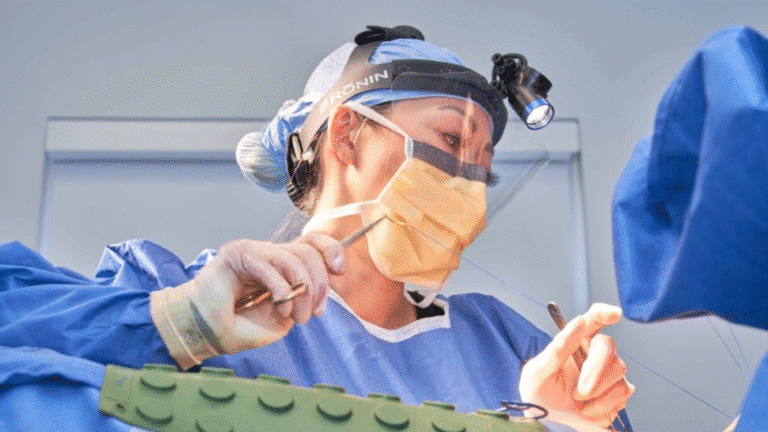
An expert, compassionate surgeon will take significant measures to ensure your safety and the procedure's success.
When in doubt, never settle.
Recovery and Aftercare
When it comes to liposuction correction surgery, the recovery process is just as important as the procedure itself. If you forgo proper post-op care, you may not get the best results. The good news? You can avoid this by following your surgeon's aftercare.
Healing from revision liposuction surgery can take longer and be more challenging than the initial liposuction.
You'll likely experience discomfort, swelling, bruising, and limited mobility, all a natural part of the process.
However, by following your surgeon's advice and taking the time to heal properly and safely, you'll be on your way to achieving the best possible results while minimizing the risk of complications.
Aftercare for Liposuction Repair Surgery
Here are some aftercare guidelines we recommend following corrective liposuction surgery:
And as for post-op lymphatic drainage massages? Dr. Cat warns they can domore harm than good.
All of this is part of the dynamic process of choosing the right surgeon, one who's intimately familiar with the nuances of this complex procedure.
With proven expertise, they can provide the best guidance on how to take care of yourself post-surgery, giving you peace of mind as you embark on your journey toward a body you love.
Break Free from Botched Liposuction with Dr. Cat Plastic Surgery
After the emotional and physical toll of experiencing botched liposuction, it's natural to feel defeated at the thought of corrective surgery. But remember that you're not alone. And there are solutions for helping you reclaim your confidence and identity.
With the help of theright surgeon, patients just like you have regained their sense of self and fallen back in love with their bodies. You deserve to feel beautiful, confident, and comfortable in your own skin, we're here to help you achieve precisely that.
AtDr. Cat Plastic Surgery, we're devoted to making our patients feel hopeful and excited about their journey toward liposuction revision surgery. And the magic of transformation starts right here.
If you or someone you know is reeling from the devastating effects of botched liposuction, pleasereach out to us for a personalized consultation.
Together, we'll work to restore your confidence, so you can step into the best version of yourself.
Frequently Asked Questions About Liposuction Gone Wrong
Q: What are the most common signs of liposuction gone wrong?
A: Common signs include uneven or asymmetric contours, visible lumps or dimpling, excessive loose skin, persistent numbness, and hard areas of fibrosis beneath the skin. We recommend waiting at least six months after your original procedure before evaluating results, since swelling can take time to fully resolve.
Q: How long should I wait before getting revision surgery for liposuction gone wrong?
A: Most surgeons recommend waiting a minimum of six to twelve months after the initial procedure. This allows swelling to subside and scar tissue to mature, giving the revision surgeon the clearest picture of what corrections are actually needed.
Q: Can liposuction gone wrong always be fixed with revision surgery?
A: Not every case qualifies for surgical correction. Factors like the extent of tissue damage, skin elasticity, and overall health determine candidacy. A thorough in-person evaluation with a board-certified plastic surgeon experienced in revision work is the best way to understand your specific options.