Trained in head and neck surgery as well as plastic surgery, Dr. Cat has mastered the delicate balance between aesthetics and functionality, allowing her to create stunning results that enhance your appearance, support nasal function, and elevate your self-confidence.
When considering any procedure, arming yourself with knowledge is key to achieving your ideal results.
In today's article, we'll walk you through everything you need to know about upturned nose rhinoplasty, so you're empowered every step of the way.
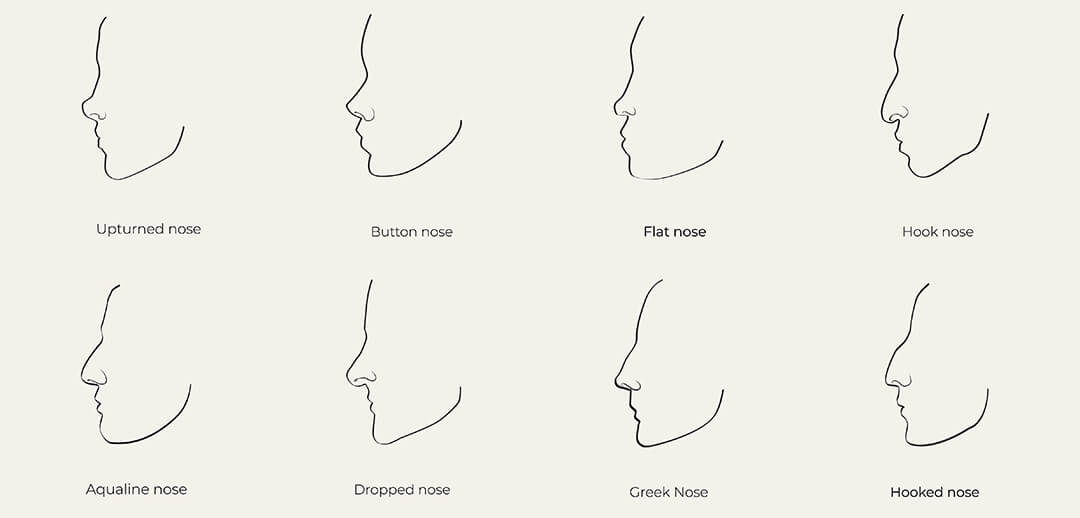
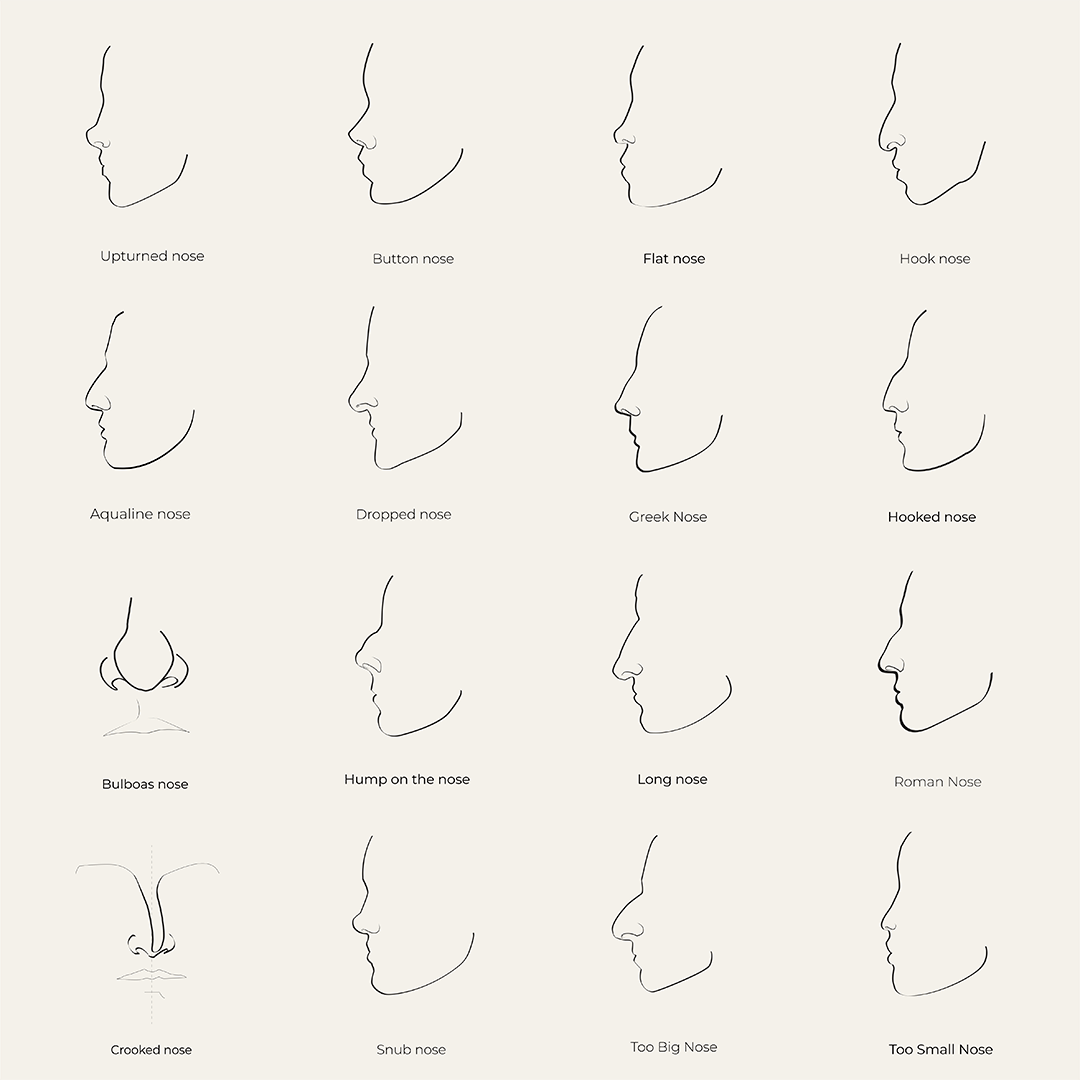
An upturned nose refers to a nasal shape where the tip points slightly upward, making the nose appear shorter and the nostrils more prominent. It's sometimes referred to colloquially as a "piggy nose."
While some individuals embrace this feature as part of their unique beauty, we understand that others may feel the opposite. Cosmetically, it may be perceived as disproportionate or out-of-balance.
From a medical standpoint, upturned noses can sometimes cause breathing difficulties. This is because the nasal tip's upward rotation can create a narrower nasal passage, leading to increased resistance to airflow.
As for solutions, there are both surgical and non-surgical options for fixing an upturned nose. Let's start with rhinoplasty techniques.
Characteristics of an Upturned Nose
An upturned nose is defined by a nasal tip that rotates upward, making the nostrils more visible from a front-facing view. The angle between the upper lip and the base of the nose, called the nasolabial angle, is typically greater than average. In women, a nasolabial angle between 95 and 110 degrees is generally considered balanced, while in men, a slightly lower angle of 90 to 95 degrees tends to look more natural.
Some people refer to this shape as a "Barbie nose" when the rotation is subtle and proportionate. However, when the tip rotates too far upward, it can create what many describe as a "piggy nose" appearance, where the nostrils are overly exposed. The degree of tip rotation, the width of the nostrils, and the projection of the nasal bridge all play a role in how an upturned nose looks on a given face. We typically find that patients seeking correction are most concerned about nostril visibility and overall profile balance rather than the upturned shape itself.
According to a study published in JAMA Facial Plastic Surgery, nasolabial angle preferences differ between men and women, with most patients preferring angles between 95 and 100 degrees for a natural feminine profile.
Upturned Nose Rhinoplasty Procedure
Rhinoplasty is a surgical procedure that aims to reshape or reconstruct the nose for cosmetic and functional purposes. This is done by surgically altering the placement and shape of bones and cartilage.It's also one of the most popular cosmetic surgeries in the world. Why? Because it's an incredibly transformative procedure.
When it comes to rhinoplasty for upturned noses, there are various rhinoplasty techniques that your surgeon can employ to achieve your desired aesthetic.
During your consultation with Dr. Cat, she'll assess your concerns and medical history, evaluate your nasal anatomy, and determine the appropriate approach for your upturned nose correction surgery. This ensures both cosmetic improvement and optimal nasal function.
Dr. Cat is committed to patient-centric care and transparent communication. During your consultation, if she feels rhinoplasty isn't the right treatment for your goals, she'll provide alternative options that better align with your needs.
This is why it's imperative to vet your surgeon and opt for a trusted provider who prioritizes open dialogue, informed decision-making, and personalized treatment.
So, what can you expect during surgery, and what are the risks of upturned nose rhinoplasty? Let's break it down.
How Do You Know If You Are a Candidate?
Good candidates for upturned nose correction are adults whose nasal growth is complete, typically age 18 or older. You should be in good overall health, a non-smoker or willing to quit several weeks before and after surgery, and have realistic goals about what rhinoplasty can achieve.
During your consultation, Dr. Cat evaluates several factors: the degree of nasal tip rotation, skin thickness, cartilage strength, and how the nose relates to your chin, lips, and forehead. Patients with very thin skin may show more post-surgical irregularities, while those with thicker skin may need more structural support through cartilage grafting. One common question we get is whether a previous rhinoplasty disqualifies someone from correction. In most cases, revision rhinoplasty is possible, though it does require more careful planning. If your breathing is also affected, functional improvements can often be addressed during the same procedure.
Expectations and Risks
Rhinoplasty for an upturned nose can provide life-changing results, but managing realistic expectations is an important part of the journey.
What to Expect
Here's what awaits you when surgically fixing an upturned nose:
#### Before surgery:
You'll meet with Dr. Cat for a thorough consultation to discuss your goals, eligibility, and expectations.
After going over your anatomy and surgical plan, Dr. Cat will advise you on pre-op preparations.
On the day of your upturned nose rhinoplasty, Dr. Cat will meet with you to confirm your personalized plan, desired outcome, and other relevant details.
Then she'll mark your skin where the incisions will be and tell you how to get ready for surgery.
#### During surgery:
Once prepped, you'll receive both general anesthesia and localized numbing to minimize potential discomfort after surgery.
Using a 3.5x microscopic tool, Dr. Cat will employ tailored rhinoplasty techniques to restructure your nasal framework and correct its upturned appearance.
Your surgery starts with a discreet incision inside the nose. Dr. Cat then lifts the nasal skin to access the underlying bone, cartilage, and tissue.
When she's done reconstructing the bones and cartilage of your nose, Dr. Cat gently places the nasal skin back into place and closes your incision.
The entire procedure takes about 3 to 5 hours, depending on the complexity of your case.
#### After surgery:
For Dr. Cat's patients, upturned-nose rhinoplasty is an outpatient procedure, so you can return to the comfort of your home or hotel (if you're an out-of-town patient) on the very same day.
Some swelling, bruising, and minimal discomfort are normal and can typically be treated with Tylenol.
During the first week, you'll wear a lightweight splint to protect and maintain your nose's new shape.
Most patients return to work after a few short days. And in four weeks, you can reintroduce moderate to vigorous exercise.
Sounds easy-breezy, right? That said, there are a few caveats worth mentioning…
Potential Risks and Drawbacks
Of course, every surgery poses potential risks and drawbacks, upturned nose rhinoplasty included.
Here are some factors you'll want to consider:
#### Eligibility
Patients with underlying medical conditions, poor overall health, or certain nasal conditions may not be suitable for rhinoplasty.
#### Complications
Poor surgical technique, inexperience, or lack of specialization can further exacerbate a "piggy nose" after rhinoplasty or diminish nasal function. This is why consulting with a qualified surgeon like Dr. Cat is so essential.
Surgery also carries a risk of infection, bleeding, adverse reactions to anesthesia, scarring, persistent swelling or bruising, skin sensation changes, or dissatisfaction with the aesthetic outcome.
#### Cost
The cost of upturned nose rhinoplasty can go up to $45,000 depending on case complexity, location, anesthesia, pre- and post-surgery care, and other fees.
The good news? Many surgeons, including Dr. Cat, offer financing options to make surgery more accessible. Additionally, your insurance may provide coverage if you need rhinoplasty to correct a functional issue (like a deviated septum or breathing difficulties).#### Unrealistic expectations
It's important to clearly understand the limitations and potential outcomes of upturned-nose rhinoplasty. If expectations are unrealistic or based on inaccurate information, it can lead to dissatisfaction or a need for additional upturned nose correction surgery.
To minimize this risk, open and honest communication with your surgeon is a must. Dr. Cat is dedicated to setting realistic goals so you know precisely what to expect.
But what if surgery is outside your comfort zone?
Postoperative Care and Recovery Timeline
Recovery after rhinoplasty follows a predictable timeline, though every patient heals at their own pace. During the first week, you will wear a nasal splint and experience swelling and bruising around the nose and eyes. Most patients return to desk work and light daily activities within 10 to 14 days.
Swelling resolves in stages. About 70% of visible swelling subsides within the first month, but the nasal tip, where most of the reshaping occurs in upturned nose correction, takes the longest to settle. Final results typically become apparent between 12 and 18 months after surgery. In our experience, patients who closely follow post-op instructions, such as sleeping with the head elevated, avoiding strenuous exercise for six weeks, and protecting the nose from sun exposure, tend to heal faster and with fewer complications. Dr. Cat's team provides detailed aftercare guidance at every stage of your recovery.
Non-Surgical Alternatives to Upturned Nose Rhinoplasty
Fixing an upturned nose via surgical intervention isn't your only option for correcting an upturned nose.
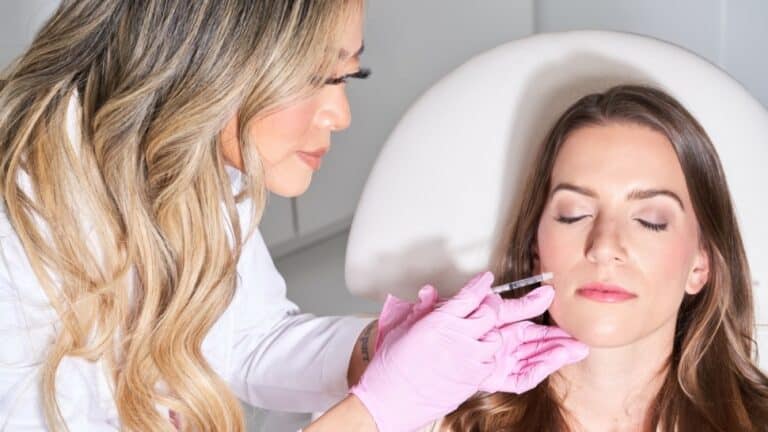
Here are two popular non-surgical options for an upturned nose:
Of course, upturned nose correction surgery is the most effective and permanent option. While non-surgical options for an upturned nose may be more cost-friendly upfront, you'll need to repeat the procedure every few months to maintain your desired results.
Ultimately, choosing between surgical and non-surgical options for achieving balanced facial features comes down to your unique goals, lifestyle, and budget. With the help of your surgeon, you'll determine which is best suited for you.
Redefine Your Reflection with Dr. Cat Plastic Surgery
At Dr. Cat Plastic Surgery, we understand how an upturned nose can impact your self-image and well-being.
With years of hands-on experience performing rhinoplasty for a wide range of nasal shapes, Dr. Cat tailors every procedure to each patient's unique facial proportions. Our Beverly Hills practice has helped countless patients achieve natural, balanced results they feel confident about.
Through our expertise and commitment to excellence, we strive to deliver solutions that transcend physical appearance, transforming both your outer beauty and inner confidence.
Together, we'll guide you through every step of your rhinoplasty journey, taking into account your goals and every detail of your facial harmony.
Ready to put your best face forward? To learn more about upturned nose rhinoplasty and how it can change your life, book a one-on-one consultation with Dr. Cat today.Frequently Asked Questions About Upturned Nose Rhinoplasty
Q: What causes an upturned nose?
A: An upturned nose is most often genetic, determined by the shape and position of the nasal cartilage and bone you inherit from your parents. It can also result from a previous injury or a prior rhinoplasty where too much cartilage was removed from the nasal tip.
Q: How much does upturned nose rhinoplasty cost?
A: The cost varies based on the complexity of the procedure, anesthesia fees, and facility costs. During your consultation at Dr. Cat Plastic Surgery, you will receive a personalized quote that reflects your specific treatment plan and goals.
Q: Is the result of upturned nose rhinoplasty permanent?
A: Surgical rhinoplasty produces permanent structural changes to the nose. Once the cartilage and bone are reshaped, the results are long lasting. Minor changes can occur naturally over many years as skin and soft tissue age, but the core correction remains stable.