

The Diversity of Nose Shapes: A Visual Guide
Ever cringed at a photo of your side profile? You try contour tricks and wispy hairstyles to hide your nose, but none of that can actually change your facial harmony and nose shape.
From subtle curves and bumps to wide nostrils and pronounced bridges, these unique intricacies define our different nose shapes. And when it comes to camouflaging them? Makeup and hair can only do so much. For transformative change, you might consider rhinoplasty from a world-renowned plastic surgeon like Beverly Hills’ Dr. Cat Begovic.
What sets Dr. Cat apart in the realm of rhinoplasty? Her comprehensive knowledge of all the different nose shapes and her ability to enhance them with tailored surgery.
Your nose is the focal point of your face, it should resonate with your inner beauty. If there’s a disconnect, let us guide you toward a nose shape that makes you feel your very best.
Step one? Identifying your nose shape. From there, we’ll unravel how nose shape characteristicscan shape your rhinoplasty journey. Understanding the different types of nose shapes is the first step toward appreciating, or refining, your unique look. Whether you’re curious about your own nose shape or researching rhinoplasty options, this guide walks you through every common nose type, what makes each one distinct, and how Dr. Cat approaches them in her Beverly Hills practice.
The Nose Shapes Patients Ask About Most
In Dr. Cat’s experience, patients tend to focus on a handful of nose shapes during consultations. The button nose, snub nose, and celestial nose are frequently requested because of their petite, balanced proportions. Meanwhile, patients with Roman, hawk, or fleshy noses often ask about subtle refinements rather than dramatic changes. What matters most isn’t fitting a single mold, it’s how your nose relates to your chin, cheekbones, forehead, and lips. A nose that looks perfect on one face may feel out of place on another. That’s why identifying your specific nose type is so helpful before any consultation. It gives you and your surgeon a shared vocabulary. When you can point to your nose shape and say “I have a bulbous tip” or “my bridge has a dorsal hump,” the conversation becomes much more productive and personalized to your facial anatomy.
The Science of Nose Shapes
The beauty of unique nose shapes stems from a combination of three factors: genetics, cartilage, and bone structure.
- Genetics: Nose shape characteristics aren’t uniform across every ethnicity, but genetics do play a role. For example, the GLI3 gene dictates nostril width, while the DCHS2 gene determines nose pointiness.
- Cartilage: Ever heard the myth of nose exercises to change your nose shape? It’s a common misconception because your nose isn’t made of malleable muscles. The majority of it, particularly your nostrils and frontal region, is made of cartilage, which you can’t reshape with exercise.
- Bone structure: “Big-boned” isn’t just a figure of speech. Your nose bridge comprises bone under the skin, which occupies the upper third of your nasal structure.
So, how do all these manifest in different types of nose shapes?
Common Variations in Nose Shapes: Identifying Yours
As we explore different nose shapes, keep in mind that the nose is split into three sections: the upper third is nasal bone, and the middle and the lower contain cartilage.
From ancient sculptures to modern-day icons, the diversity of nose shapes tells a story of heritage, character, and individual beauty.
Straight (Greek) Nose
If you have a straight nose without any humps, bumps, or curves, you’re graced with a nose reminiscent of the Greek gods. Celebrities like Jennifer Aniston share this straight, balanced nose that embodies symmetry, the epitome of facial beauty.
Roman (Aquila) Nose
Notice a slight bump in the upper area of your nose bridge? That’s the mark of regal Roman lineage. Roman noses have prominent bridges that make the nose appear subtly curved downward. Think Meryl Streep’s slender yet refined nose that complements her innate elegance.
Hawk (Eagle) Nose
Imagine the Roman nose but with an even longer length and curved tip. Reminiscent of a hawk’s beak, the hawk nose features some of the most prominent curvature amongst the different nose shapes.
Snub Nose
Snub noses are slightly rounder at the nostrils, shorter in the bridge (length), and curve subtly upward at the tip. Think Tinkerbell or Emma Stone, both with noses of a whimsical, elvish beauty.
Upturned (Celestial) Nose
What about a snub nose without the roundedness? The celestial nose shares the snub’s upward tip (also known as a pixie nose) but with a narrower bridge and nostrils. It’s a popular go-to among Dr. Cat’s rhinoplasty consultations.
Bulbous Nose
Some noses appear bigger and rounder at the tip. This is a bulbous nose. It’s characterized either by excess cartilage in your nose’s lower third, or inflammation skin disorders, like Rosacea.
Nubian (Wide) Nose
Nubian noses are most common in people of African-American descent. They’re broad, appearing wide on the face, with a less-defined tip that tilts slightly downward, like pop icon Beyoncé.
Button (Baby) Nose
Most commonly seen in people of Asian or Eastern European descent, the coveted button nose features a small nasal bridge and upwardly tilted tip. This feminine, delicate nose shape is another favorite among rhinoplasty patients.
Fleshy Nose
Does your nose appear slightly fuller than the rest of your face? Don’t worry, it has nothing to do with diet, so you can enjoy that dessert. Some noses are naturally fleshier, giving them a chubbier appearance. Often, individuals with a fleshy nose seek rhinoplasty to add more definition.
Crooked Nose
A crooked nose length deviates from the center either to the right or left. While it adds character, some patients feel it disrupts facial balance. Its origins could be genetic or due to factors like a deviated septum or past trauma.
What Other Types of Noses Exist? A Broader Look
Beyond the shapes listed above, there are several less commonly discussed nose types worth knowing about. The Nixon nose is characterized by a straight bridge with a wider, more prominent tip. The combo nose blends features from two or more categories, say, a Roman bridge paired with a bulbous tip. Some people also have a flat nose, where the bridge sits lower relative to the cheeks, common in East Asian and Southeast Asian heritage. Then there’s the bumpy nose, which features one or more visible humps along the nasal bridge, often caused by cartilage or bone irregularities. Each of these shapes carries its own character. Recognizing that noses rarely fit neatly into a single category helps set realistic expectations, whether you’re simply curious or actively considering rhinoplasty with Dr. Cat.
Aesthetically Desirable Nose Features
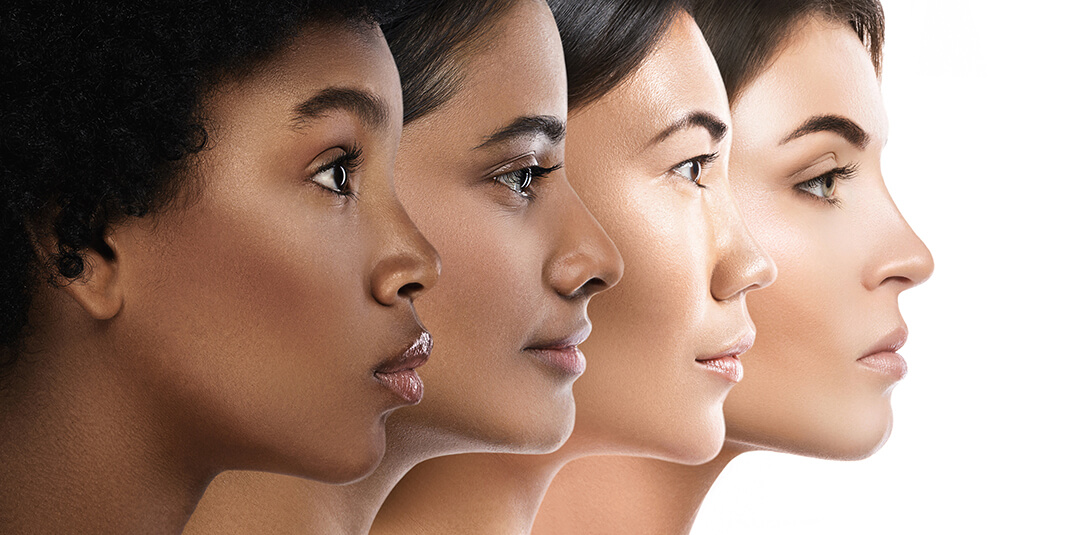
Tips, bridges, humps, curves, what do all these mean for facial harmony? Dr. Cat has seen and operated on thousands of noses in her tenure. Thanks to her vast experience, she’s coined the hallmarks of the most desirable nose type:
- Tip: Well-defined, slightly upward tilt
- Bridge and length: Smooth without bumps or ridges
- Symmetry: Straight and center, without deviations
- Size: Proportionate to your face
- Natural look: Perfect without looking like you altered it
While trends change and evolve, Dr. Cat keeps her finger on the pulse of the most desirable nose aesthetics–past and present.
Nose Shapes Across Ethnicities
Nose shapes vary widely across ethnicities, and understanding these differences matters, especially for patients seeking results that honor their heritage. East Asian noses typically feature a lower nasal bridge, softer tip definition, and wider nostrils compared to European nose shapes. African and Afro-Caribbean noses tend to be broader with flatter bridges and rounder tips. Middle Eastern noses often present a prominent dorsal hump with a drooping tip. European noses range from narrow Greek profiles to wider, fleshier shapes. Dr. Cat respects these ethnic distinctions in every rhinoplasty plan. The goal is never to erase someone’s background but to bring proportion and balance while preserving the features that make each face uniquely beautiful. According to the American Society of Plastic Surgeons, ethnic rhinoplasty has grown significantly as patients seek surgeons who understand diverse nasal anatomy.
Cultural and Historical Significance
Eyes may be dubbed the windows to your soul, but your nose (especially the nostrils) is the gateway to the air you live and breathe.
In ancient Egyptian lore, noses were a symbol of power. So strong was this belief that they’d deliberately break the noses of certain statues, aiming to strip power away from their spirits. The Romans, on the other hand, saw strength and authority in the pronounced bridge of the Roman (aquila) nose.
But noses also spoke to the divine feminine in many ancient cultures. The longer, bigger, and more hooked your nose? The more elegant and fertile you seemed.
Fast forward to today, and you can have any nose you want thanks to the innovative and accessible art of rhinoplasty.
How Your Nose Changes with Age
Your nose isn’t static, it evolves over your lifetime, and this is something many people don’t realize until their 40s or 50s. As you age, the cartilage in your nose continues to grow and weaken. The tip can droop, the bridge may widen, and skin at the tip can thicken. Gravity plays a role too, pulling the nasal tip downward and making the nose appear longer. Bone loss in the midface can also change how your nose sits relative to your cheeks and upper lip. These shifts are completely normal, but they can alter the nose shape you’ve known your whole life. Some patients pursue rhinoplasty later in life specifically to address age-related changes rather than cosmetic preferences they’ve always had. Dr. Cat evaluates how aging has affected your nasal structure during every consultation to ensure results that look natural for years to come.
Rhinoplasty Considerations
While every nose has its unique charm, Dr. Cat is adept at crafting a rhinoplasty plan that aligns perfectly with your vision.
But first, some points to consider before taking the leap:
- Health disorders: If you suffer from any heart conditions or diabetes, rhinoplasty may not be for you. Always consult your general practitioner before opting for any cosmetic surgery.
- Nasal blockages: For patients with severe breathing issues, a simple rhinoplasty might not suffice. There could be underlying issues that need a different medical approach.
- Results and recovery: Most of Dr. Cat’s rhinoplasty patients resume their everyday lives within ten days or so. However, your picture-perfect results unfold over six to twelve months post-op.
Once you check off all these boxes? You’re ready to embark on a new journey of self-love and confidence.
Myths and Facts About Nose Shapes
Myth: There’s one “ideal” nose shape. Fact: Facial harmony depends on how your nose relates to your other features. A petite button nose can look just as balanced as a defined Greek nose on the right face. Myth: Rhinoplasty always looks obvious. Fact: Modern techniques, especially Dr. Cat’s approach, focus on subtle, natural-looking refinements rather than cookie-cutter results. Myth: Your nose shape determines how well you breathe. Fact: Breathing issues are usually caused by a deviated septum or enlarged turbinates, not the external shape of your nose. Myth: Nose exercises can reshape your nose. Fact: No amount of pinching, massaging, or clip-wearing will change your bone and cartilage structure. Only surgical or non-surgical medical procedures can alter nose shape. Understanding these truths helps patients approach their concerns with confidence and clarity.
Rhinoplasty Recovery: What to Expect
Recovery is one of the biggest questions Dr. Cat hears from patients considering rhinoplasty. In the first week, expect swelling, bruising around the eyes, and a nasal splint. Most patients return to desk work within seven to ten days, though strenuous exercise should wait at least four to six weeks. Swelling at the tip is the last to resolve, it can take up to a full year for your final shape to fully emerge. During recovery, sleeping with your head elevated and avoiding glasses that rest on the bridge are small steps that make a big difference. Dr. Cat provides detailed aftercare instructions tailored to each patient’s procedure, whether it involved tip refinement, bridge reduction, or a full structural reshaping. Patience is key: the nose you see at two weeks is not the nose you’ll have at six months.
Embracing Facial Diversity
Consider the most stunning women in the world: Cleopatra, Princess Diana, Rihanna… Chances are, they each had (or have) beautifully distinct noses.
Just as body diversity celebrates beauty in all sizes, colors, and shapes, nose shape diversity underscores our unique identities, both globally and within your own families.
Whether it’s prominent bone structure, a striking hook, or eye-catching smoothness, different nose shapes remind us to relish and revel in beauty of all forms.
Frequently Asked Questions About Types of Nose Shapes
What are the most common types of nose shapes?
The most common nose shapes include the button nose, snub nose, celestial (upturned) nose, Greek (straight) nose, and fleshy nose. Each varies in bridge height, tip shape, and nostril width, and many people have a combination of features from multiple categories.
Can rhinoplasty change any nose shape?
Rhinoplasty can address most nose shapes, including dorsal humps, wide bridges, bulbous tips, and crooked noses. However, results depend on your skin thickness, cartilage strength, and overall facial proportions. A consultation with a board-certified surgeon like Dr. Cat helps determine what’s achievable for your anatomy.
Does your nose shape change as you age?
Yes. Over time, nasal cartilage weakens and continues to grow, causing the tip to droop and the bridge to widen. Skin at the tip may also thicken. These age-related changes can alter the nose shape you’ve had most of your life, which is why some patients consider rhinoplasty later in life.
Dr. Cat Plastic Surgery: Inhale a Fresh Breath of Confidence
Your nose takes center stage every time you look into a mirror. Its bumps, ridges, and points make you all the more unique, but you don’t have to settle for any insecurity it may bring. Change is within your reach.
Understanding different nose shapes is the cornerstone of Dr. Cat’s rhinoplasty approach. Together, you and Dr. Cat will discuss the nasal features you aren’t happy with and craft a vision that naturally suits your unique facial features.
Bid farewell to those moments of self-doubt and second-guessing your photos. Book your consultation with Dr. Cat to feel incredible in every reflection.