
Asian Double Eyelid Surgery
Men and women of all races and ethnicities can seek out double eyelid surgery. It is however particularly popular with Asian patients, who may have a greater incidence of monolid. This means that the Asian eye fold is typically less prominent than it is in other ethnicities. Double eyelid surgery, sometimes called Asian blepharoplasty or Korean eyelid surgery can add a natural-looking fold between the eyelashes and eyebrows. This can be a very personal decision, particularly as the eyes are an important feature and characteristic of one's ethnicity.

Some Asian patients want to alter their monolid, while others may feel it "Westernizes" their eyes too significantly. Dr. Cat mentions that after double eyelid surgery, "patients should not look surprised, change their original eye shape, ethnicity, and it shouldn't be obvious that they had plastic surgery." You can feel comfortable discussing your concerns and goals with our expert facial plastic surgeon, Dr. Aric Park. Both he and Dr. Cat are of Asian heritage, which makes them particularly sensitive to the needs of Asian patients wanting to enhance, yet maintain their ethnic characteristics. Our surgeons at Dr. Cat Plastic Surgery specialize in performing Blepharoplasty surgery in a way that allows patients to still keep their ethnic identity while balancing out their facial features. They can guide you through your blepharoplasty pricing and options, which includes multiple types of Asian eyelid surgery.
Anatomy of the Asian Eyelid
Understanding eyelid anatomy helps explain why some people have a single eyelid and others have a natural crease. The upper eyelid contains a thin muscle called the levator palpebrae superioris, which is responsible for lifting the eyelid. In a double eyelid, fibers from this muscle attach to the skin and create a visible fold when the eye opens. In a single or monolid eyelid, the levator fibers do not extend to the skin surface, so no crease forms.
Asian eyelids also tend to have a thicker layer of preseptal fat and a lower position of the orbital septum compared to non-Asian eyelids. These anatomical differences contribute to a fuller, smoother upper lid appearance. A surgeon performing this procedure must have a detailed understanding of these structural variations to create a crease that looks natural and proportionate to each patient's unique facial features.
What are the different types of Double Eyelid Surgery?
Full Incision: A full incision double eyelid surgery involves an incision across the length of the upper eyelid. This is recommended for patients who have thick upper eyelid skin and a severe monolid. In the procedure, excess tissue and skin are removed to create a more pronounced fold.
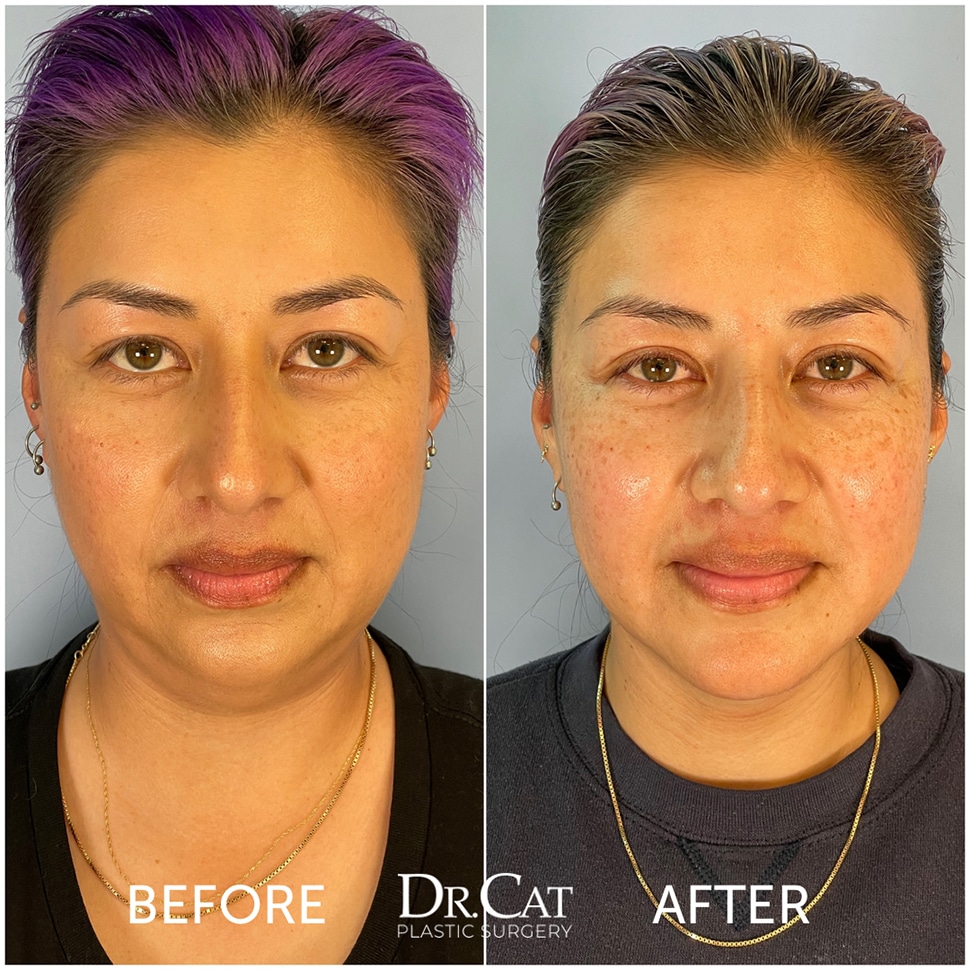
Partial Incision: A partial incision or "minimally invasive" blepharoplasty is appropriate for patients who have a small amount of skin and tissue on their upper eyelid. It can also be a good compromise for people wanting to maintain the look of their ethnicity. This is particularly true with Asian eyelid surgery, as a patient can opt for just a small incision to provide the impression of an eyelid fold.
Who Is a Good Candidate?
Good candidates are adults in overall good health who want to create or enhance an upper eyelid crease. In our experience, patients who have realistic expectations and a clear understanding of the procedure tend to be the most satisfied with their results. Ideal candidates typically include individuals with monolids who desire a defined fold, patients with asymmetric creases, or those whose existing crease has become less visible due to aging or excess skin.
Certain conditions may affect candidacy. Patients with uncontrolled thyroid eye disease, chronic dry eye, or bleeding disorders should discuss these concerns during a consultation. Smokers are encouraged to quit several weeks before and after surgery, as tobacco use can slow healing. A thorough preoperative evaluation, including an assessment of eyelid function and tear production, helps determine whether the procedure is appropriate for each individual.
Preoperative Evaluation and Consultation
A detailed consultation is the first step toward a successful outcome. During this visit, the surgeon examines the eyelid skin thickness, fat distribution, levator muscle function, and overall facial symmetry. Photographs are taken from multiple angles to help plan the crease height and shape. Patients often ask us about the ideal crease height; the answer depends on factors like the distance between the brow and lash line, the amount of excess skin, and personal aesthetic goals.
We also review medical history, current medications, and any history of eye conditions such as dry eye or prior eyelid procedures. Patients should stop taking blood-thinning supplements like fish oil, vitamin E, and aspirin for at least one to two weeks before surgery to reduce the risk of bruising. This evaluation ensures the surgical plan is tailored to each patient's anatomy and desired look.
What Happens During the Surgical Procedure
The procedure is typically performed under local anesthesia with optional sedation, and it usually takes between 45 minutes and 90 minutes depending on the technique used. For the full incision method, the surgeon marks the desired crease line, then makes a precise incision along the upper eyelid. Excess skin, muscle, and fat are carefully removed or repositioned before the deeper tissue is sutured to the levator aponeurosis to form the new crease.
For the non-incisional or suture technique, small puncture points are made along the planned crease line. Sutures are passed through these points to create an attachment between the skin and the underlying muscle, forming a fold without a full incision. This method works best for patients with thinner eyelid skin and minimal excess tissue. Both approaches require meticulous attention to symmetry, and the surgeon checks crease alignment multiple times during the procedure.
What are the benefits of double eyelid surgery?
Double eyelid surgery is a cosmetic procedure that enhances the look of an eyelid fold for eyes that lack an upper eyelid crease.
Many patients tell us that the most meaningful benefit is a boost in self-confidence. Creating a defined upper eyelid crease can make the eyes appear larger and more open, which often makes everyday makeup application easier. The procedure can also correct mild asymmetry between the two eyelids, giving the face a more balanced appearance. Because the results are long-lasting, most patients enjoy these benefits for years without the need for repeat treatments.
There are multiple benefits to this procedure, including:

In addition to these benefits, a double eyelid surgery procedure can present an opportunity to address and correct other eyelid conditions, such as eyelid drooping and inward-growing eyelash hairs.
Results, Longevity, and Revision Surgery
Results from the full incision technique are generally considered permanent. The crease created through this method is structurally stable because the skin is directly attached to the underlying muscle. Non-incisional results can also last many years, though there is a slightly higher chance the crease may loosen over time, particularly in patients with thicker eyelid skin or excess fat.
We typically find that patients see their final results around 3 months after surgery, once all swelling has fully resolved. The scar from a full incision sits within the natural crease line and fades significantly over time, becoming nearly invisible for most patients. In rare cases where the crease is too high, too low, or asymmetric, revision surgery can be performed. Revision is usually a smaller procedure and is best scheduled at least 6 months after the initial surgery to allow tissues to fully heal and settle.
Are there alternatives to double eyelid surgery?
Some people opt to forgo surgery and instead use mechanical means to create an eyelid fold. This can be done with tape or eyelid glue. While the results of eyelid surgery that include an incision are permanent, these alternative methods need to be continuously applied. Although using adhesive can allow you to see what the results of double eyelid surgery may be, we don't advise using them repeatedly. These adhesives can contain harsh chemicals that can irritate the eyes. Also, the constant pull and tension of the skin can cause the skin to sag.
How long does it take to recover from double eyelid surgery?

Double eyelid surgery is a minimally invasive surgery that only requires a small and thin incision. This means recovery time is much shorter than many common cosmetic surgery procedures. Sutures are put in place to close up the incision and allow for a barely visible scar. These sutures are removed a week after surgery. By two to three weeks after surgery, many patients are able to fully return to their normal daily activities.
Most patients can return to desk work and light daily activities within 7 to 10 days. Swelling and bruising typically peak around days 2 through 4, then gradually subside over the following weeks. We recommend sleeping with the head elevated and applying cold compresses during the first 48 hours to help manage swelling. Strenuous exercise and heavy lifting should be avoided for at least 3 to 4 weeks. Final results usually become visible once all residual swelling resolves, which can take 2 to 3 months. Follow-up appointments allow us to monitor healing and ensure the crease is settling into the desired position.
Cultural Considerations and Patient Goals
One common question we get is whether this procedure is about changing ethnic identity. The answer is no. The goal is not to create a Westernized appearance but to enhance the natural features of the eye while respecting each patient's heritage and personal preferences. Many patients simply want a subtle crease that makes their eyes appear more open or that makes applying eye makeup easier.
Crease preferences vary widely. Some patients prefer a low, tapered crease that blends naturally with their existing lid structure, while others prefer a slightly higher parallel crease for a more defined look. During the consultation, patients can discuss their goals in detail and review before-and-after photos to identify the style that feels right for them. A skilled surgeon listens carefully and designs a crease that complements the patient's overall facial proportions.
According to a study published in the Aesthetic Surgery Journal, Asian blepharoplasty is one of the most commonly requested cosmetic procedures among patients of East Asian descent, with high satisfaction rates reported across both incisional and non-incisional techniques.
Risks and Potential Complications
Like any surgical procedure, eyelid surgery carries some risks. The most common side effects are temporary swelling, bruising, and mild discomfort, all of which typically resolve within the first two weeks. Less common complications include infection, scarring, crease asymmetry, and difficulty closing the eyes completely during the early healing phase.
Rare but more serious risks include hematoma (a collection of blood under the skin), overcorrection or undercorrection of the crease, and changes in eyelid sensation. Dry eye symptoms may temporarily worsen after surgery. Choosing a surgeon with specific training and experience in eyelid procedures significantly reduces the likelihood of complications. Patients should follow all postoperative instructions carefully, attend scheduled follow-up visits, and contact their surgeon promptly if they notice unusual pain, vision changes, or signs of infection.
Eyelid Surgery Demands a Trained Eye
The eyes are one of the most important and delicate parts of our body. That's reason enough to want to entrust them to only the most trained plastic surgeons. Beyond the need for precision and safety, double eyelid surgery also demands an artist's eye. The look created by the double eyelid procedure should appear natural and subtle. Both Dr. Park and Dr. Cat specialize in eyelid surgery. As the practice's expert facial plastic surgeon, Dr. Park pays extensive attention to detail. This ensures a quick recovery and barely visible incision marks. Dr. Park's gentle approach helps patients experience little to no pain after their eyelid surgery. If you are curious about double eyelid surgery, book a consultation with Dr. Cat's Beverly Hills cosmetic surgery office. The staff is happy to answer questions and provide guidance on which double eyelid procedure may offer you the best results.