
- A c-section revision improves the appearance and comfort of a cesarean scar through surgical excision, laser therapy, or other treatments.
- Most surgeons recommend waiting at least 12 months after delivery before pursuing revision.
- Surgical revision involves excising the old scar and re-closing with layered sutures to create a thinner, flatter result.
- Non-surgical options like laser therapy, microneedling, and silicone treatments can improve mild scars without surgery.
- A tummy tuck may be a better option if you also have loose skin or muscle separation, not just a scar concern.
C-Section Revision: What to Know About Scar Treatment After Cesarean Delivery
Quick Answers
15-minute Patient Concierge call, no obligation. The consultation with Dr. Cat is $500, credited toward your surgery.


What Is C-Section Revision?
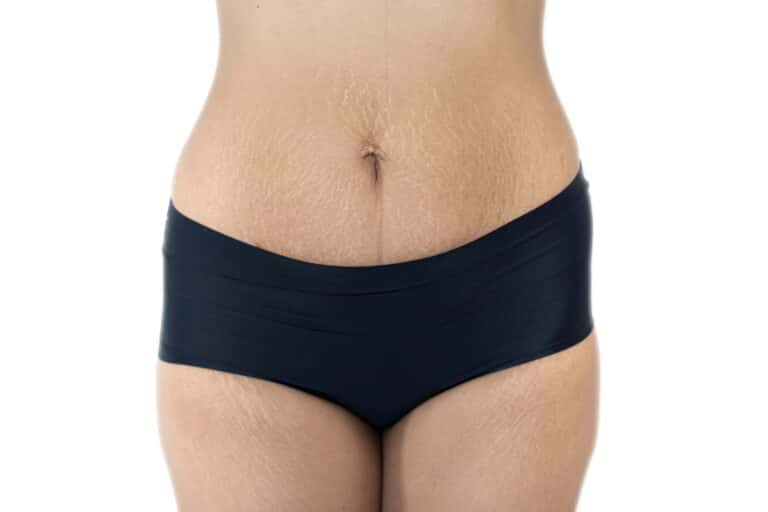
A c-section revision is a procedure designed to improve the appearance and function of a cesarean delivery scar. After a C-section, the incision site heals differently for every patient. Some scars settle into a thin, flat line that fades over time, while others become raised, thickened, widened, or indented, creating both cosmetic concerns and physical discomfort. Scar revision addresses these issues by removing or modifying the existing scar tissue and allowing the area to heal under more controlled conditions.
Several factors influence how a C-section scar develops. Genetics play a significant role, as some individuals are more prone to keloid or hypertrophic scarring. The surgical technique used during the original cesarean, post-operative wound care, infection, and tension on the incision line all contribute to the final scar appearance. Patients who have had multiple cesarean deliveries through the same incision site often experience more pronounced scarring due to repeated tissue disruption.
Candidates for scar revision typically include patients who have fully healed from their cesarean delivery. Most surgeons recommend waiting at least one year after the original procedure. Patients who are finished with future pregnancies tend to be the best candidates, since a subsequent cesarean could affect the revised scar. During a consultation, a board-certified plastic surgeon evaluates the scar type, skin quality, and overall health to determine the most appropriate treatment plan.
Types of C-Section Scars
C-section scars generally fall into several categories. Hypertrophic scars are raised and firm but remain within the boundaries of the original incision. Keloid scars extend beyond the incision line and can be itchy or tender. Atrophic scars appear sunken or indented, often creating a visible shelf or ledge above the scar. Widened scars occur when the wound edges separate slightly during healing, resulting in a broad, flat scar. Each type responds differently to treatment, which is why a thorough evaluation is essential before selecting a revision approach.
"C-section scars are one of the most common concerns I see in my practice. Every scar heals differently, and what works for one patient may not be the right approach for another. That is why I always start with a full evaluation of the scar type, the surrounding tissue, and the patient's goals before recommending a treatment plan."
, Dr. Cat Begovic, Board-Certified Plastic Surgeon
Surgical Techniques for C-Section Scar Revision
Surgical scar revision remains the most direct method for significantly improving a C-section scar. The procedure is typically performed under local anesthesia, though some patients may receive sedation depending on the complexity of the revision and whether it is combined with other procedures. The general principle involves excising the old scar tissue and carefully re-closing the incision using advanced suturing techniques that minimize tension on the wound edges.
A plastic surgeon may use a layered closure technique, placing internal sutures in the deeper tissue layers to reduce strain on the surface skin. This approach helps prevent the scar from widening during healing. In cases where the scar has created a visible overhang or shelf of tissue (sometimes called a "C-section shelf") the surgeon may remove a small amount of excess skin and fat to create a smoother contour. The revised incision is typically placed along the same line as the original scar, so no new scar locations are created.
For patients with keloid or hypertrophic scars, the surgeon may combine excision with adjunctive treatments such as steroid injections at the time of closure to reduce the risk of recurrence. Silicone sheeting or pressure garments may also be recommended during the post-operative period to keep the new scar flat and soft.
Non-Surgical Treatments for Scar Improvement
Not every patient requires surgery to see meaningful improvement in their C-section scar. Non-surgical and minimally invasive treatments can soften, flatten, and fade scars, particularly when the primary concern is texture or discoloration rather than significant tissue excess. These treatments are often used on their own for mild scarring or as adjunctive therapies following a surgical revision to enhance results.
Laser therapy is one of the most commonly used non-surgical options. Fractional CO2 lasers and pulsed dye lasers can reduce redness, break down excess collagen in raised scars, and stimulate remodeling of the skin surface. Multiple sessions are usually needed, spaced several weeks apart, to achieve noticeable improvement.
Other non-surgical approaches include corticosteroid injections, which help flatten hypertrophic and keloid scars by reducing inflammation and collagen production. Microneedling, a technique that creates controlled micro-injuries in the scar tissue, stimulates the body's natural healing response and can improve both texture and pigmentation. Topical silicone gel or silicone sheeting, applied consistently over several months, has also been shown to help prevent and treat raised scars. A plastic surgeon can recommend the right combination of treatments based on the scar's characteristics and the patient's goals.
When Non-Surgical Options May Be Enough
Patients with relatively flat scars that are primarily discolored or slightly textured often respond well to non-surgical treatments alone. If the scar is not causing a visible shelf, pulling, or functional discomfort, a series of laser sessions or microneedling treatments may provide the improvement a patient is seeking without the downtime associated with surgery. A consultation helps clarify which approach offers the best balance of results and recovery.
Tummy Tuck vs. Scar Revision: Choosing the Right Procedure
One of the most common questions patients ask is whether they need a c-section revision or a tummy tuck, and in many cases, the answer depends on the extent of their concerns. A scar revision specifically targets the scar itself: its width, height, texture, and color. A tummy tuck (abdominoplasty) addresses a broader set of concerns, including loose abdominal skin, separated abdominal muscles (diastasis recti), and excess fat, while also removing the C-section scar entirely as part of the lower abdominal tissue excision.
Patients whose primary concern is limited to the scar, and who are otherwise satisfied with their abdominal contour, are often good candidates for a standalone scar revision. This is a less extensive procedure with a shorter recovery period and lower overall cost. However, patients who also have loose skin, a persistent belly pouch, or muscle separation from pregnancy may benefit more from a tummy tuck, which addresses all of these issues simultaneously.
A mini tummy tuck is another option that falls between a full tummy tuck and a scar revision in scope. It focuses on the lower abdomen below the belly button, tightening a smaller area of skin and muscle while removing the existing scar. This can be a good middle-ground option for patients with moderate concerns. During a consultation, a plastic surgeon assesses the abdominal wall, skin laxity, and scar characteristics to recommend the most appropriate procedure.
Recovery After C-Section Scar Revision
Recovery from a scar revision procedure is generally less demanding than recovery from the original cesarean delivery. Most standalone scar revisions are performed as outpatient procedures, and patients typically return home the same day. Initial downtime ranges from a few days to one week for surgical revisions, during which patients are advised to avoid strenuous activity, heavy lifting, and exercises that engage the core muscles.
Swelling, bruising, and mild discomfort around the incision site are common in the first week. Prescribed or over-the-counter pain medication usually manages any soreness effectively. Surgeons typically apply adhesive wound closure strips (such as Steri-Strips) or surgical glue to protect the incision, and patients receive specific wound care instructions to follow at home. Keeping the area clean and dry is essential during the initial healing phase.
The revised scar will appear red or pink initially and gradually fade over several months. Most patients see significant improvement in scar appearance between three and six months after the procedure, with final results continuing to mature for up to a year. Consistent use of silicone-based scar treatments and sun protection during this period can help the scar heal as flat and light as possible. Follow-up appointments allow the surgeon to monitor healing and recommend any adjunctive treatments, such as laser sessions or steroid injections, if the scar shows signs of thickening.
Tips for Supporting Scar Healing
Patients can support their recovery by maintaining a healthy diet rich in protein and vitamins that promote tissue repair. Staying well-hydrated, avoiding smoking, and protecting the scar from direct sun exposure all contribute to better healing outcomes. Following the surgeon's post-operative instructions closely, including wearing any recommended compression garments, gives the revised scar the best chance of healing smoothly.
"Recovery from a c-section revision is so much easier than what patients went through with the original cesarean. Most of my patients are back to their normal routine within a week. The key to a great result is patience during the healing phase and being consistent with silicone treatments and sun protection for the first several months."
, Dr. Cat Begovic, Board-Certified Plastic Surgeon
Key Considerations When Choosing Scar Revision Treatment
Selecting the right approach for a c-section revision involves weighing several factors. The type and severity of the scar, overall abdominal concerns, future pregnancy plans, budget, and tolerance for downtime all play a role in the decision. Patients should seek a board-certified plastic surgeon with specific experience in scar revision and body contouring procedures to ensure they receive an accurate assessment and a tailored treatment plan.
During a consultation, patients should ask about the surgeon's experience with C-section scar revision, the recommended technique, expected outcomes, and potential risks. Realistic expectations are essential. Scar revision can significantly improve a scar's appearance, but no procedure can make a scar disappear entirely. The goal is to create a thinner, flatter, less noticeable scar that blends more naturally with the surrounding skin.
Cost is another practical consideration. Scar revision is typically considered a cosmetic procedure and may not be covered by insurance, though exceptions exist when the scar causes functional problems such as pain, itching, or restricted movement. Patients should discuss pricing, financing options, and what is included in the surgical fee during their initial consultation. Taking the time to research, ask questions, and choose a qualified surgeon is the most important step toward achieving a result that restores both comfort and confidence.
Frequently Asked Questions About C-Section Revision
Answers reviewed by Dr. Cat Begovic, MD, FACS. Updated September 2026.
Most plastic surgeons recommend waiting at least twelve months after your cesarean delivery before pursuing a scar revision. This allows the scar to fully mature and gives your body time to complete the natural healing process. Scars can continue to change in color, texture, and firmness for up to a year, so early intervention may not reflect the scar's final appearance.
No procedure can completely eliminate a scar. The goal of scar revision is to make the scar significantly less noticeable by improving its width, height, texture, and color. The revised scar is typically thinner and flatter, blending more naturally with the surrounding skin. Results vary based on individual healing, scar type, and the technique used.
While it is technically possible, most surgeons advise completing your family before undergoing scar revision. A future cesarean delivery would involve cutting through the revised scar, which could compromise the cosmetic results. Waiting until you are finished having children allows you to get the most lasting benefit from the procedure.
It depends on your concerns. If the scar itself is your primary issue and you are satisfied with your abdominal contour, a scar revision may be sufficient. If you also have loose skin, excess fat, or separated abdominal muscles, a tummy tuck addresses all of these concerns while removing the scar as part of the procedure. A consultation with a board-certified plastic surgeon can help determine the best option.
Cost varies depending on the technique, the surgeon's experience, and your geographic location. Standalone scar revision is typically less expensive than a tummy tuck. Insurance may cover the procedure if the scar causes documented functional problems like pain or restricted movement. Discuss pricing and financing during your consultation.
Laser therapy can meaningfully improve the texture, color, and overall appearance of a C-section scar, especially when the scar is relatively flat but discolored or rough. Fractional CO2 lasers and pulsed dye lasers are among the most commonly used options. Multiple sessions are typically needed, and results are best for scars that do not involve significant tissue excess or a visible shelf.
Keep reading
More tummy tuck articles from Dr. Cat's practice.
 Tummy TuckFleur de Lis Tummy Tuck: What to Know Before ConsultationA fleur de lis tummy tuck removes horizontal and vertical excess skin after major weight loss. Learn candidacy, recovery, scars, and results.
 Tummy TuckStretch Marks After Tummy Tuck: What to Expect and How to Treat ThemLearn whether stretch marks develop after a tummy tuck, which existing marks are removed during abdominoplasty, and the best treatments for striae.
 Tummy TuckCaring for Drains After a Tummy Tuck: What You Need to Know Before DecidingWhy tummy tuck drains are used, how long they stay in, and how to care for them, with practical tips to reduce...
About the author
Dr. Cat Begovic, MD, FACS
Board-certified plastic surgeon, trained in both head and neck surgery and plastic and reconstructive surgery. Harvard-educated, UCLA trained.
Dr. Cat Begovic is a board-certified plastic surgeon in Beverly Hills known for her gentle techniques, compassionate patient care, natural-looking results, and virtually painless recoveries. With Harvard and UCLA training, she brings world-class precision to every procedure she performs. Her articles come from her practice: the questions patients ask at consultations, answered with the prices and techniques in use today.
- 17 years in private practice, 6 years of surgical training
- Named one of the world's top 5 plastic surgeons by Chic Icon Magazine
- Featured on E!'s Dr. 90210 and founder of the luxury skincare brand MD GLAM
- Patients from all over the world
Have a question this article did not answer?
A 15-minute discovery call with our Patient Concierge answers your first questions and books your consultation with Dr. Cat, in person or by video.
15-minute Patient Concierge call, no obligation. The consultation with Dr. Cat is $500, credited toward your surgery.