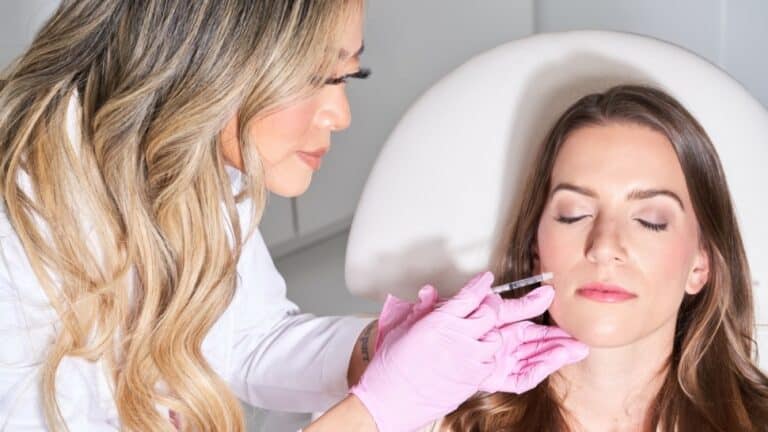


Committing to any procedure evokes a mix of emotions, excitement, anticipation, and probably a touch of anxiety. Understanding the facelift recovery timeline might provide the reassurance you need.
At Dr. Cat Plastic Surgery, our goal is to empower you with knowledge, ease your anxieties, and help you navigate your surgical journey with confidence and peace of mind.
Today, we will walk you through facelift recovery week by week. From the initial post-op facelift care to the final stages of healing, we’ll deliver valuable insights, tips, and advice to facilitate a smooth and comfortable recovery.
Ready to rewind the clock and put your best face forward? Let’s not waste another second.
How Long Does Facelift Recovery Take Overall?
The full facelift recovery timeline spans roughly 12 months, though most patients return to social activities within 2 to 3 weeks. Initial swelling and bruising resolve within the first 2 weeks, residual swelling fades over 4 to 6 weeks, and final results settle as deeper tissues heal over several months.
Recovery speed varies based on the technique used. A deep plane facelift typically requires a longer initial downtime than a mini or SMAS lift because it addresses deeper structural layers. In our experience, patients in their 40s and 50s often heal faster than those in their 70s, though overall health, skin quality, and adherence to aftercare matter more than age alone.
Most patients feel comfortable returning to desk work around day 10 to 14. Exercise, swimming, and strenuous activity are typically cleared around week 4 to 6, depending on individual healing progress.
Facelift Recovery Timeline: What to Expect
It’s completely normal to feel both excited and nervous about the transformative journey that lies ahead. Dr. Cat, the practice’s founder, understands the emotions that come with this personal decision. Every facelift at Dr. Cat Plastic Surgery is performed by our board-certified facial plastic surgeon, a colleague she has worked alongside for more than a decade, and the whole team is dedicated to ensuring your comfort and confidence every step of the way.
To put you at ease, we’ve outlined the facelift recovery process week by week. This way, you’ll know exactly what to expect, when to expect it, and how to navigate each milestone in your facelift post-surgery timeline.
Day 1
Following your procedure, you’ll awaken in the practice’s aftercare nursing center, where the nursing team will monitor your progress as you come out of anesthesia. This allows them to address any immediate post-op concerns promptly and effectively.
Typically, you’ll be discharged within a day or two to carry out the rest of your post-op facelift care at home or your hotel (for out-of-town patients).
The effects of surgery and medications can temporarily limit your ability to drive or perform specific tasks independently. This is where the support of your family members, friends, or caregivers becomes invaluable.
Week 1
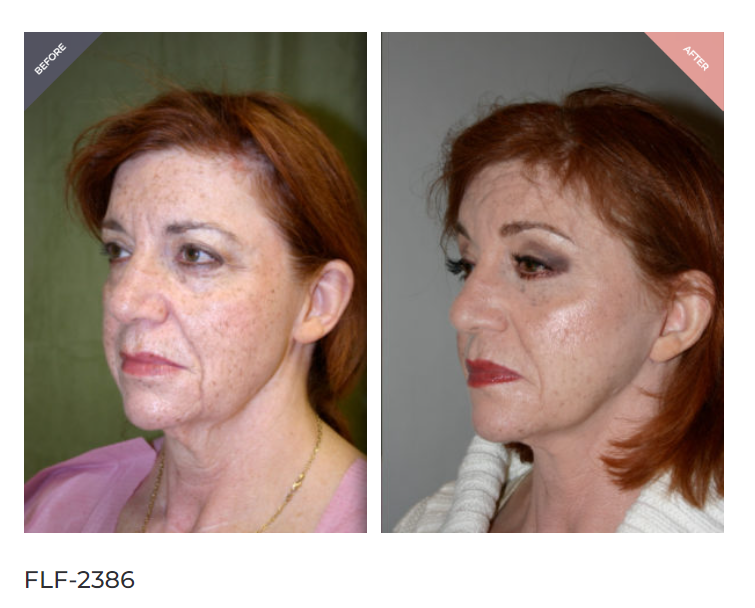
Similar to tummy tucks, you’ll have surgical drains hanging from your neck the first few days after surgery. This is to remove excess fluid and prevent the accumulation of blood under your skin, which helps with post-facelift swelling and bruising management.
About a week after surgery, you’ll meet with your surgeon for a check-in. At this time, he’ll remove your stitches and drains. Yay!
Week 2
To optimize the healing process after facelift surgery, your head will be carefully wrapped in dressings for the first two weeks.
You may continue to experience bruising, swelling, and some discomfort during this time. This should start subsiding as you enter the later facelift recovery stages.
After two weeks, your surgeon will remove your dressings and introduce a comprehensive scar treatment plan to prevent potential scarring down the line.
Weeks 3 to 4
By this point, most swelling and bruising should be resolved. However, you may still have some residual swelling that can take a few more weeks to disappear entirely.
The better news? Managing facelift recovery begins to feel a bit easier at this point.
You can now start gradually resuming your daily life, avoiding any strenuous exercise or activities that could strain your face.
Weeks 5 to 6
At this stage of your facelift recovery timeline, you should see significant improvement in your facial appearance.

Most swelling and discomfort should have subsided, and you may begin noticing some of the results of your facelift.
But we’re not quite home free yet. Your skin and facial tissue are still settling into their new positions.
Months 2 to 4
By this time, all swelling and discomfort should be gone. You can pretty much enjoy the full benefits of your facelift procedure. However, it’s important to note that it can take up to four months to see the final results of your surgery.
As far as surgical scars, facelift incisions are placed along the hairline and around the ears, where they fade to fine, well-concealed lines. Together with a thorough scar treatment plan, you can expect a younger-looking face with minimal evidence of any surgery.
Year 1
You’ve reached the end of your facelift post-surgery timeline!
At this point, the skin will have settled into its final position. (According to Dr. Cat, the remarkable results of your facelift surgery may continue to evolve and enhance throughout the remainder of your first year.)
Congrats! You can officially join the ranks of Dr. Cat Plastic Surgery’s roster of happy patients and embrace a new level of confidence as you showcase your rejuvenated, youthful glow!
When You’ll See Your Final Facelift Results
While you’ll notice dramatic improvement within the first month, the final results of your facelift develop gradually over the year. By weeks 5 to 6, friends and family typically comment on how refreshed you look without identifying surgery as the reason. By month 3 to 4, residual swelling has fully resolved and contours look natural.
The deeper tissue layers continue to settle and soften through months 6 to 12. Incision lines, which appear pink early on, fade to fine, well-concealed scars along the hairline and behind the ears. Most patients report that their results look the most natural and refined right around the one-year mark.
A well-performed facelift typically maintains its benefits for 10 to 15 years, though aging continues. Maintaining sun protection, a stable weight, and good skincare habits helps preserve your results well beyond the initial facelift recovery timeline.
Factors That Affect Your Facelift Recovery Time
Several factors influence where you fall on the facelift recovery timeline. Understanding these helps set realistic expectations and gives you tools to support faster healing.
Surgical technique: Deep plane and extended SMAS facelifts involve more tissue release than mini lifts, so swelling and tightness last longer.
Age and skin elasticity: Younger skin with stronger collagen tends to rebound more quickly, though mature skin still heals predictably with proper care.
Smoking status: Nicotine constricts blood vessels and significantly delays healing. We require patients to stop smoking at least 4 weeks before and after surgery.
Overall health: Conditions like diabetes, hypertension, or autoimmune disorders can extend recovery. A thorough pre-op assessment helps us plan accordingly.
Aftercare compliance: Following positioning, medication, and activity instructions has a direct impact on swelling, bruising, and scar quality.
Warning Signs to Watch For During Recovery
Most facelift recoveries proceed without complications, but knowing what is abnormal helps you respond quickly if something arises. Contact Dr. Cat’s office right away if you notice any of the following:
- Sudden, one-sided swelling or a firm collection under the skin, which may indicate a hematoma
- Increasing pain after day 3, rather than steady improvement
- Fever above 101°F or chills
- Spreading redness, warmth, or yellow or green drainage from incisions
- Numbness or weakness that worsens rather than gradually improves
- Skin color changes near incisions, such as dusky or dark patches
Some bruising, tightness, tingling, and mild asymmetry during swelling are completely expected and resolve on their own. Clients often ask us how to tell the difference between normal healing and a problem, and the simplest rule is: symptoms should improve a little each day. If something gets worse instead of better, call.
3 Tips for Smooth Facelift Recovery
With the right care, you can make your facelift recovery a rewarding and fulfilling experience, setting the stage for long-lasting, stunning results.
Follow your doctor’s post-op facelift care guidelines
Your surgeon will provide specific guidelines on caring for your incisions, managing pain and swelling, taking prescribed medications, and attending follow-ups. These instructions are in place to maximize your recovery, minimize any potential complications, and ensure your dream results.
Trust the process
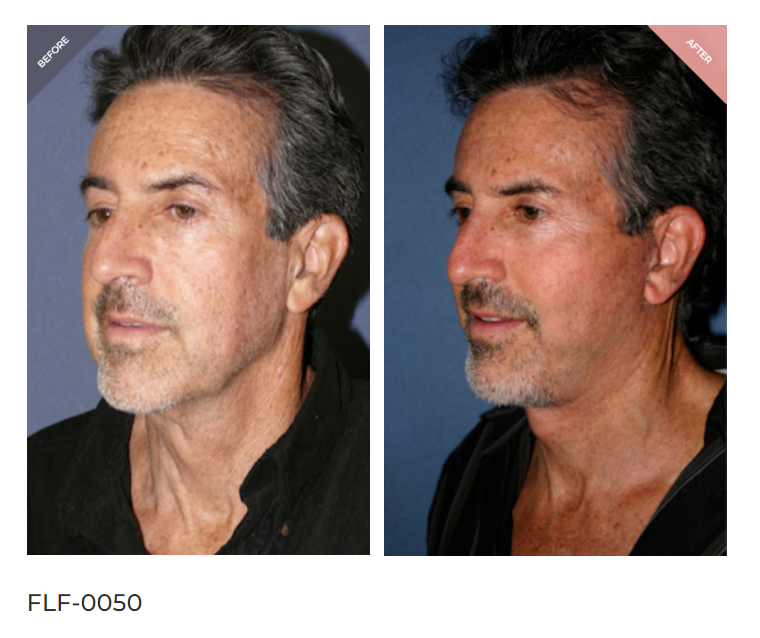
It’s normal to have high expectations after facelift surgery, only to realize that your recovery timeline extends beyond what you initially anticipated. But like all good things, your final results take time, so be patient. Remember, the length of your recovery is a testament to the transformative nature of your procedure.
Pivot your skincare
Your skin may have different needs during your recovery period. Therefore, you may need to adjust your skincare routine to support the healing process after facelift surgery and enhance the longevity of your results. Focus on gentle, non-irritating products, keep skin well-hydrated, and use SPF religiously to protect incision sites from UV damage.
Unveiling Timeless Beauty with Dr. Cat Plastic Surgery
If you find yourself feeling apprehensive about your facelift recovery timeline or unsure of where to start, you’re not alone.
In our experience, patients who understand each phase of the facelift recovery timeline tend to heal more comfortably and feel less anxious throughout the process. We walk every patient through what to expect before surgery, so there are no surprises during healing.
At Dr. Cat Plastic Surgery, we’re here to support you at every milestone of your transformative journey. With our facial plastic surgeon’s expertise and the team’s compassionate dedication, you can trust that you’re in capable, caring hands at every stage of your facelift post-surgery timeline.
A rejuvenated, more radiant you is within reach, schedule a consultation at Dr. Cat Plastic Surgery today and trust us to help you shine brighter than ever.