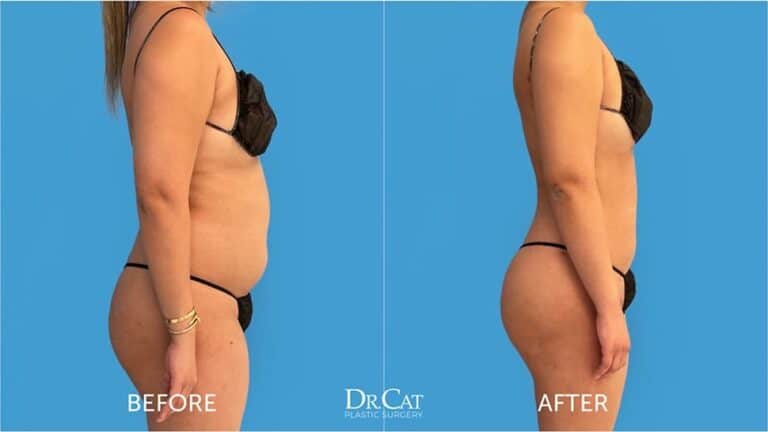


Understanding the Side Effects of Liposuction
Liposuction is one of the most commonly performed cosmetic surgical procedures worldwide, yet many patients underestimate the range of side effects that can follow the operation. While liposuction is generally considered safe when performed by a board-certified plastic surgeon in an accredited facility, it is still a surgical procedure, and like all surgeries, it carries inherent risks and a recovery period that patients should understand before committing.
The side effects of liposuction range from expected post-operative symptoms that resolve on their own to rare but serious complications that require medical intervention. Knowing what falls within the normal spectrum of recovery versus what should prompt a call to your surgeon is essential for every patient considering this procedure. This guide breaks down common, uncommon, and rare side effects so you can make an informed decision and prepare for a smoother recovery.
Common Side Effects During Recovery
The most frequently experienced side effects of liposuction are part of the body's normal healing response and typically resolve within several weeks to a few months. Understanding these expected symptoms can help reduce anxiety during the recovery period.
Swelling and Bruising
Swelling is virtually universal after liposuction and can be significant in the first one to two weeks. The treated areas retain fluid as part of the inflammatory healing process, and patients may temporarily appear larger in the treated zones than they did before surgery. Compression garments, which surgeons typically recommend wearing for several weeks, help manage swelling and support the skin as it contracts to its new contours. Bruising is also common, ranging from mild discoloration to deep purple patches depending on the extent of the procedure and the patient's individual healing tendencies. Most bruising fades within two to three weeks.
Pain and Soreness
Post-operative discomfort varies by patient and by the volume of fat removed. Most patients describe the sensation as a deep soreness similar to an intense workout rather than sharp pain. Prescribed pain medications or over-the-counter anti-inflammatory drugs typically manage discomfort effectively during the first week. Soreness when moving, bending, or touching the treated areas may persist for several weeks but gradually diminishes as tissues heal.
Numbness and Altered Sensation
Temporary numbness or reduced sensation in the treated areas is one of the most commonly reported side effects of liposuction. This occurs because the cannula (the thin tube used to suction fat) can disrupt small sensory nerves beneath the skin during the procedure. Most patients experience a gradual return of normal sensation over the course of several weeks to several months, though in rare cases, some degree of altered sensation may persist longer.
"I prepare every patient for the reality that swelling after liposuction can actually make you look bigger before you look smaller. That's completely normal and it's temporary. The compression garment is your best friend during those first few weeks because it helps the skin settle evenly and keeps fluid from pooling in the treated areas."
Dr. Cat Begovic, Board-Certified Plastic Surgeon
Skin-Related Side Effects
Because liposuction removes fat from beneath the skin, the procedure can affect skin appearance and texture in ways that are not always predictable. These side effects are influenced by factors including the patient's skin elasticity, the volume of fat removed, and the technique used.
Contour Irregularities and Asymmetry
Uneven fat removal can result in lumps, bumps, waviness, or asymmetry in the treated area. These contour irregularities are among the most discussed side effects of liposuction and may become visible once swelling subsides. Mild irregularities often improve with time as the body continues to heal and tissues settle. More pronounced unevenness may require revision liposuction or fat grafting to smooth the contour. Patients with poor skin elasticity are at higher risk for visible irregularities because the skin may not retract evenly over the newly sculpted area.
Skin Laxity and Sagging
Liposuction removes fat but does not tighten skin. Patients with diminished skin elasticity, whether due to age, sun damage, significant weight fluctuations, or genetics, may notice loose or sagging skin after the underlying fat volume is reduced. In some cases, a skin-tightening procedure such as a body lift or tummy tuck may be recommended in conjunction with or following liposuction to achieve the desired result. Newer technologies including radiofrequency-assisted and laser-assisted liposuction claim to promote some degree of skin tightening, though results vary.
Fluid-Related Complications
The process of disrupting and removing fat cells generates fluid shifts within the body that can occasionally lead to complications requiring monitoring or treatment.
Seroma Formation
A seroma is a pocket of clear fluid that accumulates beneath the skin at the surgical site. Seromas are relatively common after liposuction, particularly when larger volumes of fat are removed. Small seromas may resolve on their own, while larger collections may require aspiration (drainage with a needle) by your surgeon. Wearing compression garments as directed and avoiding excessive activity in the early recovery period can help reduce the risk of seroma formation.
Fluid Overload and Lidocaine Toxicity
Tumescent liposuction involves injecting large volumes of fluid containing lidocaine and epinephrine into the treatment area before fat removal. While this technique reduces bleeding and provides local anesthesia, it introduces the risk of fluid overload or lidocaine toxicity if volumes exceed safe thresholds. These risks are managed by adhering to established dosing guidelines and carefully monitoring fluid input and output during the procedure. Board-certified plastic surgeons operating in accredited facilities follow strict protocols to minimize these risks.
Infection and Blood Clot Risks
As with any surgical procedure, liposuction carries a risk of infection and thromboembolic events, though both are uncommon when proper surgical techniques and post-operative protocols are followed.
Surgical Site Infections
Infections after liposuction are rare but can range from superficial skin infections to deeper soft tissue infections requiring antibiotics or, in serious cases, surgical drainage. Signs of infection include increasing redness, warmth, swelling, fever, or discharge from the incision sites. Patients should contact their surgeon promptly if they notice any of these symptoms. Prophylactic antibiotics are commonly prescribed around the time of surgery to reduce this risk.
Deep Vein Thrombosis and Pulmonary Embolism
Deep vein thrombosis (DVT), which is a blood clot forming in a deep vein, usually in the legs, is a rare but serious complication of any surgical procedure, including liposuction. A DVT can become life-threatening if a clot fragment travels to the lungs, causing a pulmonary embolism. Risk factors include prolonged immobility, combined procedures with extended operative times, and a personal or family history of clotting disorders. Early mobilization after surgery and, in some cases, blood-thinning medication are used to mitigate this risk.
Rare but Serious Complications
While the vast majority of liposuction procedures are completed without serious incident, patients should be aware of rare complications that, although unlikely, can occur.
Fat Embolism
Fat embolism occurs when dislodged fat enters the bloodstream and travels to the lungs or brain. This is an extremely rare but potentially fatal complication. Symptoms may include sudden shortness of breath, confusion, or a characteristic rash. The risk is higher when liposuction is combined with other procedures or when very large volumes of fat are removed in a single session.
Organ Perforation
In very rare cases, the cannula may penetrate too deeply and perforate an abdominal organ. This risk is greatest during abdominal liposuction and is significantly minimized by the use of blunt-tipped cannulas and the surgeon's experience and technique. Any signs of severe abdominal pain, fever, or unexpected symptoms after abdominal liposuction should be evaluated immediately.
What to Expect During the Recovery Timeline
Recovery from liposuction is gradual, and patience is an important part of the process. During the first week, swelling, bruising, and soreness are at their peak. Most patients return to desk work within a few days to one week, depending on the extent of the procedure. Compression garments are typically worn for four to six weeks. Strenuous exercise is usually restricted for three to four weeks, with a gradual return to full activity based on your surgeon's guidance.
Visible results begin to emerge as swelling subsides, typically around the four- to six-week mark, though final contour refinement can take three to six months. Some patients experience residual firmness or mild swelling in the treated areas for several months, which is normal. Regular follow-up appointments with your surgeon allow for monitoring of your healing progress and early identification of any concerns.
Minimizing Side Effects: Choosing the Right Surgeon
The single most important factor in reducing the risk of side effects and complications is selecting a qualified, board-certified plastic surgeon with specific experience in liposuction. Surgeons operating in accredited surgical facilities adhere to safety standards that significantly reduce complication rates. During your consultation, ask about the surgeon's complication rates, the techniques they use, and what protocols are in place for managing any adverse events.
Following your surgeon's pre-operative and post-operative instructions closely also plays a critical role in your outcome. Avoiding blood-thinning medications before surgery, wearing compression garments as directed, staying hydrated, walking gently in the early post-operative period, and attending all follow-up appointments are practical steps that support a safer recovery.
"The complication rates for liposuction drop significantly when the procedure is performed in an accredited facility by a board-certified surgeon who follows established safety protocols. I've seen too many patients come to me for revisions after going to underqualified providers. Doing your homework upfront on your surgeon's credentials is the single best thing you can do to protect yourself."
Dr. Cat Begovic, Board-Certified Plastic Surgeon