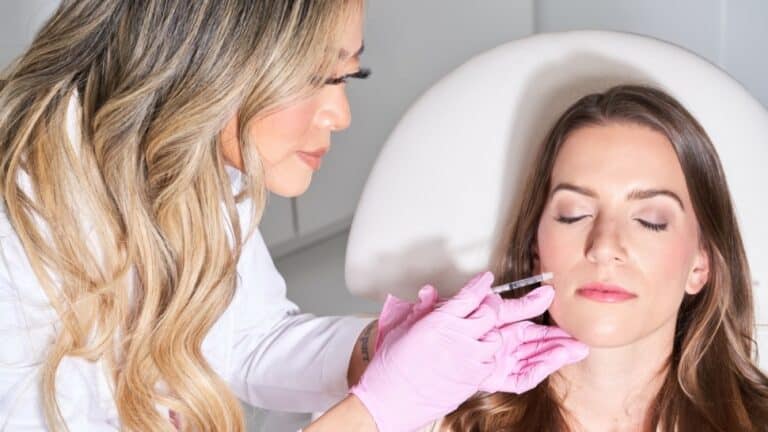


You can maintain your youthful appearance with the help of an experienced plastic surgeon for a facelift treatment. A facelift is one of the best investments you can make to boost your confidence and restore your youthful appearance.
What Is a Face Lift?
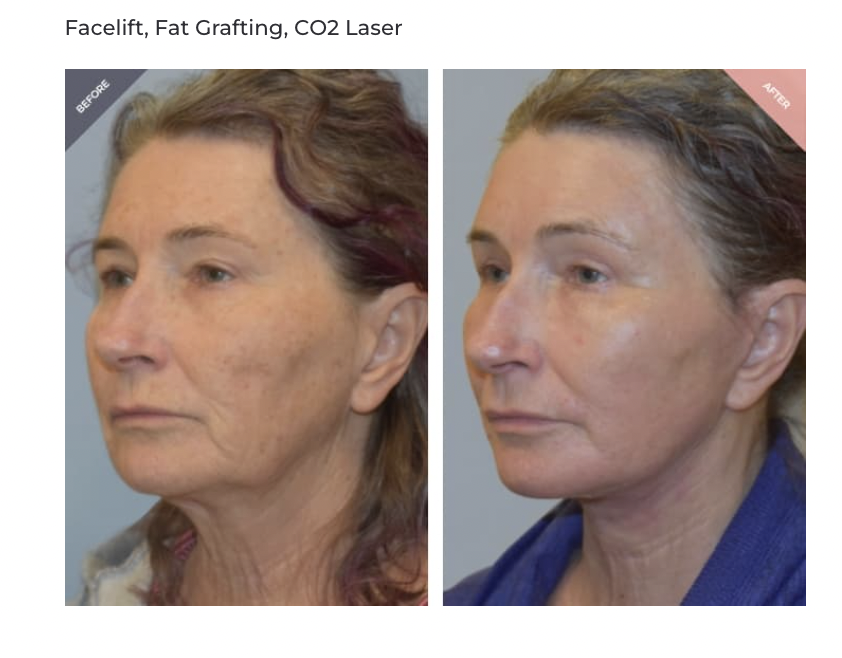
As the skin loses collagen with age, unwanted wrinkles and sagging facial tissue start to appear. A facelift is a surgical process that reverses these signs of aging. Some people refer to facelift surgery as a treatment that "turns back time" because the results help patients look like a younger version of themselves.
This facelift guide breaks down everything you need to know, from the types of procedures available to recovery timelines and expected results. Whether you are exploring surgical or non-surgical options, understanding the full picture helps you make a confident, informed decision.
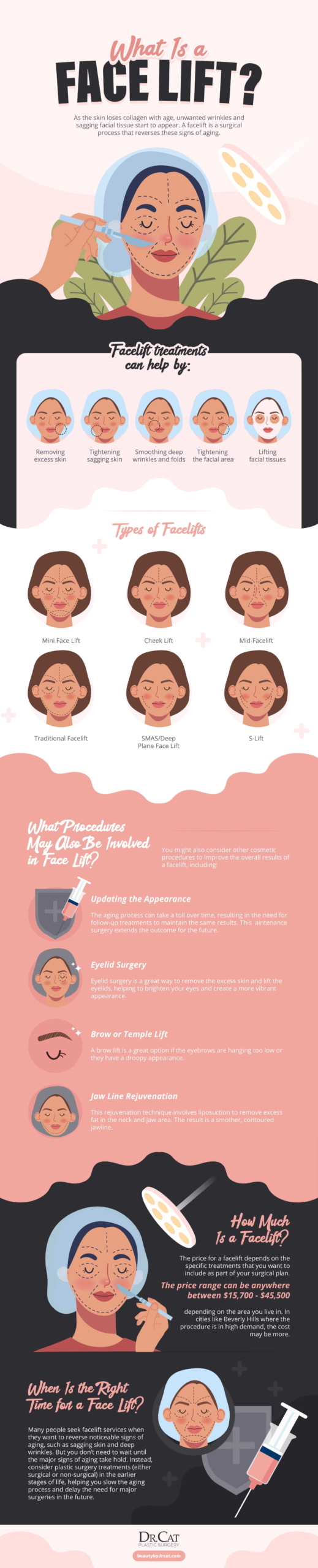
"Facelift" is a general term that encompasses a variety of cosmetic treatments for the facial region. The plastic surgeon works with each patient to design the ideal treatment plan. The treatments can help by:
Most of the time, patients are under general anesthesia during facelift surgery. But local anesthesia is an option to consider for less-invasive treatments often combined with facelifts. First, the surgeon makes incisions near the hairline and/or ears, then separates the skin from the muscles and connective tissues underneath.
The plastic surgeon can reposition the deeper facial tissues during facelift surgery, which creates a firmer foundation for the skin to sit on. Additionally, facelifts often involve excess skin removal before the skin is carefully laid back onto the newly formed facial tissues.
The result: the face has a more youthful, smoother appearance. It's a combination of science and art to achieve the ideal tension and movement without making the skin look too tight – which is why it's essential to choose a reputable, skilled plastic surgeon for your treatments.
Why Consider a Facelift? Common Reasons Patients Decide to Move Forward
Patients choose a facelift for a variety of reasons beyond simply "looking younger." Loose skin along the jawline, deepening nasolabial folds, jowling, and loss of definition in the neck are among the most common concerns we hear during consultations. Some patients notice that they look tired or unhappy even when they feel great, and that disconnect between how they feel and how they look drives the decision.
Age is not always the deciding factor. We see patients in their 40s who have experienced significant volume loss due to genetics, weight fluctuation, or sun exposure, as well as patients in their 60s and 70s who are ready for a more dramatic correction. The right time is when the visible changes bother you enough to explore your options seriously. A facelift addresses structural laxity that topical products and injectables cannot fully correct, making it the gold standard for lower face and neck rejuvenation.
Types of Facelifts
The good news is that every facelift treatment plan is customized to match the patient's goals and preferences. The cosmetic surgeon dedicates the time necessary to understand your desires and design the surgical procedure accordingly.
Here are different types of facelifts that might be discussed during your consultation:
Mini Face LiftYou're starting to see the minor signs of sagging skin and jowls, but the signs of aging aren't severe yet. At this point, a less-invasive surgical technique can be used. The deep facial tissues are tightened through smaller incisions located in the creases surrounding the ear and/or at the hairline at the top of the ear.
A mini facelift is a great way to rejuvenate the facial area when someone has a "tired" appearance. It's a way to refine the jawline and reverse signs of jowling skin in the lower area of the face.
Having a mini facelift in the earlier years helps to slow down the signs of aging before they become too noticeable. At the same time, you can postpone the timeline for bigger facelift treatments.
Cheek LiftThis treatment aims to make the cheekbones more pronounced and enhance this area of the cheeks. At the same time, excess skin can be tightened to reduce the appearance of wrinkles and fine lines in the middle area of the face.
This surgery is beneficial for creating an uplifted appearance with more volume in the cheeks. It can also help by contouring nasal folds and reducing puffiness under the eyes.
Mid-FaceliftAs the name suggests, this procedure targets the middle area of the face – specifically the cheeks. Instead of using implants to pump up the cheeks, the goal is to eliminate sagging skin, decrease the appearance of wrinkles and fine lines, and lift the cheeks. Sometimes excess tissue is removed. Sometimes, the cosmetic surgeon uses existing tissue to create a plumper appearance.
This treatment is ideal for people who don't have marionette lines or jowls. Or, you can combine a mid-facelift with other treatments to address wrinkles and sagging skin in the jowl and marionette areas.
Traditional FaceliftAs more advanced aging appears in the facial and neck areas, a traditional facelift (also known as a standard facelift or cutaneous lift) is an option to improve the overall appearance. This surgery is more involved compared to a mini facelift, which means that more noticeable results can be achieved. Since the incisions and treatments are more intensive, you can expect to need a longer recovery time.
The facelift incisions are located behind the hairline. The surgeon begins the incision in the temple area of the head and continues down in front of the ear (hiding the incisions in the natural folds near the ears). This access allows the cosmetic surgeon to remove excess skin and reposition the deeper tissues under the skin.
SMAS/Deep Plane Face LiftThe goal of this cosmetic surgery is to get rid of the sagging skin on the neck and base of the chin. During the procedure, the surgeon accesses the area below the musculoaponeurotic system (SMAS) to reshape, smooth, and reposition the muscles used for frowning and smiling.
Repositioning these muscles smooths out wrinkles in the lower part of the face and near the mouth.
S-LiftDuring this surgery, the cosmetic surgeon makes an s-shaped incision around the jawline and neck (in the lower half of the face). Then, the skin is separated from the tissues and facial muscles underneath.
The surgeon contours the tissues and muscles to create a smoother foundation while also removing excess fat cells and lifting the skin. The result is a wrinkle-free appearance and smoother skin.
What Procedures May Also Be Involved in Face Lift?
The term "facelift" is often used by patients to refer to any type of cosmetic surgery on the face. So, there is a misconception that a facelift involves the entire face, including the chin, cheeks, brow, and eyes.
The truth is that a facelift only involves the lower two-thirds of the face. Most facelift techniques focus specifically on the largest areas of skin on the face: cheeks and jowls. There are very different anatomical features in the eyelids and forehead area. Surgery affecting these parts of the face requires unique surgical skills than what a cosmetic surgeon uses during facelift surgery.
You might also consider other cosmetic procedures to improve the overall results of a facelift, including:
Neck LiftImprove your profile by removing excess fat and skin in the neck area. If you are investing in facelift treatments, it makes sense to improve your neck, so the face and neck look good together. This lifting can slim the profile and smooth the overall neck and jaw area.
Eyelid SurgeryDroopy skin on the eyelids not only makes you look tired, but it can start to block the line of vision as well. Eyelid lift surgery is a great way to remove the excess skin and lift the eyelids, helping to brighten your eyes and create a more vibrant appearance.
Typically, the surgeon makes the incision on the inner crease of the upper eyelid. So, the scars are not noticeable after the surgery.
Brow or Temple LiftThe brows and templates are in such close proximity that lifting one will also smooth out wrinkles in the other. A brow lift is a great option if the eyebrows are hanging too low or they have a droopy appearance.
During a brow lift, the surgeon makes an incision along the hairline. Then, the underlying muscles and skin are lifted higher on the face, which helps stretch and smooth the skin on and around the eyebrows.
Jaw Line RejuvenationNot only do signs of aging affect the facial area, but the sagging skin can start to be most noticeable around the jawline. This rejuvenation technique involves liposuction to remove excess fat in the neck and jaw area. The result is a smoother, contoured jawline.
If one or more of these treatments are included during the same surgical session, the cosmetic surgeon is actually performing multiple procedures.
Facelift Guide: How to Prepare for Your Procedure
Preparation is a key part of any successful facelift. In our experience, patients who follow pre-operative instructions closely tend to have smoother recoveries and better outcomes. During your consultation, Dr. Cat will review your medical history, current medications, and lifestyle habits to create a safe surgical plan.
Most patients are asked to stop smoking at least four weeks before surgery, as nicotine restricts blood flow and can impair healing. Blood-thinning medications and certain supplements like vitamin E, fish oil, and aspirin are typically paused two weeks prior. You will also need to arrange for a responsible adult to drive you home and stay with you for the first 24 to 48 hours after surgery. Preparing your recovery space at home with extra pillows, cold compresses, soft foods, and prescribed medications makes the first few days significantly more comfortable.
How Much Is a Facelift?
The price for a facelift depends on the specific treatments that you want to include as part of your surgical plan. The price range can be anywhere between $15,700 - $45,500, depending on the area you live in. In cities like Beverly Hills where the procedure is in high demand, the cost may be more.
Keep in mind that the cost of the facelift is only one portion of the price you will need to pay. For example, there are often related expenses for the operating room and surgery center facilities, as well as anesthesia and more. Therefore, when you are consulting with a plastic surgeon, make sure to ask about all associated fees so you can estimate your final out-of-pocket expenses.
Facelift Recovery: A Week-by-Week Timeline
One common question we get is how long recovery actually takes. During the first week, expect swelling, bruising, and tightness around the incision sites. Most patients keep their head elevated and apply cold compresses to manage discomfort. Sutures or staples are typically removed within 7 to 10 days.
By week two, the majority of visible bruising fades, and many patients feel comfortable returning to light daily activities. Swelling continues to decrease gradually over weeks three and four, though subtle puffiness can linger for several months. We typically find that patients see about 80% of their final results by the six-week mark, with continued refinement over the following three to six months as tissues settle into their new position. Strenuous exercise and heavy lifting should be avoided for at least four to six weeks to protect healing tissues and incision lines.
According to a study published in the Annals of Plastic Surgery, facelift patients reported high satisfaction rates even 5 years after surgery, with the majority stating they still looked younger than their actual age.
When Is the Right Time for a Face Lift?
Many people seek facelift services when they want to reverse noticeable signs of aging, such as sagging skin and deep wrinkles. But you don't need to wait until the major signs of aging take hold. Instead, consider plastic surgery treatments (either surgical or non-surgical) in the earlier stages of life, helping you slow the aging process and delay the need for major surgeries in the future.
Small procedures can make a big difference in freshening your appearance and reducing the wrinkles and fine lines that are starting to show up. However, each patient is unique, which is why it's wise to partner with a skilled plastic surgeon right away. Together, you can design the ideal cosmetic treatment plan to help you maintain a natural, youthful appearance.
Is a Face Lift Right for You?
If you can see that your facial tissue is starting to lose volume and the skin doesn't have as much elasticity, then it might be the perfect time to talk to a plastic surgeon. The results of aging can cause deep wrinkles, "jowls" of excess skin in the lower face, loose neck skin, and more.
While these signs of aging are a normal part of getting older, patients want to maintain an appearance of youth for as long as possible. Here are a few reasons why you might consider a facelift:
Many patients find that the biggest benefit after a facelift is that their appearance aligns with how they feel. When someone has an energetic, youthful personality, they want their facial features to match how they feel inside.
Non-surgical Facelift Options
Do you want to improve your appearance without going under the knife? If you aren't ready for a surgical procedure yet, then you might consider a non-surgical cosmetic treatment to reduce the signs of aging and delay the need for surgery in the future.
The term "non-surgical facelift" refers to the process of using multiple minimally-invasive treatments to refresh and rejuvenate the overall appearance. The benefit of non-surgical treatments is that you don't need a long recovery time, overnight hospitalization, general anesthesia, or large incisions.
Many of these non-surgical treatments can be done in a quick visit, making them great for lunch-hour treatments. Typically, there is minimal downtime, and you don't have to worry about post-operative discomfort. Plus, non-surgical facelifts are much cheaper than paying for surgery and all of the associated fees.
Keep in mind that these non-surgical methods aren't as dramatic as surgical facelifts. Also, the treatments must be repeated over time, so the overall expenses can add up depending on the frequency, number, and types of non-surgical treatments that you choose.
Dermal FillersThese injectable gels help by restoring volume in certain areas of the face, usually on the lips, temples, cheeks, and under the eyes. Adding plumpness eliminates dark shadows in the areas of the face that start to sink with aging. Additionally, fillers in the area of marionette lines help to smooth out the wrinkles and create definition.
Dermal fillers usually contain Hyaluronic Acid (HA) and other plumping ingredients. The results last anywhere from 6 – 12 months, depending on the patient.
Botox InjectionsBotox is a well-known neurotoxin that paralyzes muscles. This type of injection is a great way to reduce the appearance of wrinkles and is often used to help with crow's feet, frown lines, and forehead creases. Botox is most effective on dynamic wrinkles from repetitive expressions.
It works by relaxing the muscles under the skin, which smooths out the lines and skin. After the injection, you will notice an immediate difference. The results typically show up within 1 – 2 weeks and can last as long as 3 months.
Liquid FaceliftOne of the most popular forms of facial rejuvenation is using a combination of both dermal fillers and Botox injections to improve appearance, reduce wrinkles, and plump up the skin. Injectable serums include products such as Botox, Dysport, Restylane, and Juvéderm.
These injections are known as a "liquid facelift" because they can add volume and reduce the appearance of sagging, wrinkled skin. It's a combined benefit of using multiple types of injections.
Fat InjectionsAnother type of injection uses harvested fat cells from another part of your body. This method is a little semi-invasive. It's more invasive compared to other non-surgical facelift treatments. But the recovery time is faster than full facelift surgeries.
With a fat injection procedure, liposuction is used to extract fatty tissue. Then, the cells are processed and cleaned before being re-injected into the facial area. The injections enhance volume immediately and integrate with the existing tissues in the face. The results can last for years.
Needleless TreatmentsModern technology provides many facial rejuvenation treatments that are free of needles. For example, lasers can target concentrated energy on the skin, reaching the foundational, deep layers to tighten and firm the tissues.
Other common types of facial treatments include microdermabrasion to exfoliate and resurface the skin, helping to get rid of damaged and dry tissue. As the skin layers turn over, it helps to reduce the signs of wrinkles, hyperpigmentation, and fine lines.
Chemical peels are a noninvasive, trusted technique that helps to improve overall skin quality and reduce the appearance of large pores. Chemical peels are often the foundation of ongoing skin care, helping to improve the surface of the skin with other cosmetic treatments addressing the underlying layers of skin.
Facelift Risks and Safety Considerations
Like any surgical procedure, a facelift carries risks that patients should understand before making a decision. Potential complications include hematoma (a collection of blood beneath the skin), infection, temporary or rarely permanent nerve injury, scarring, and hair loss near incision sites. Hematoma is the most common surgical complication and is more frequently seen in male patients and those with uncontrolled blood pressure.
Choosing a board-certified plastic surgeon with extensive facelift experience significantly reduces these risks. Dr. Cat performs facelifts in accredited surgical facilities with full anesthesia monitoring, and every patient receives detailed post-operative care instructions designed to minimize complications. Temporary numbness around the ears and cheeks is normal and typically resolves within a few weeks to months. Scarring is carefully placed along natural creases and the hairline so that healed incisions remain well concealed.
Personalizing an Ongoing Face Lift Treatment Plan
No matter if you choose a surgical or non-surgical facelift method, you can't stop the aging process. As a result, your skin care needs will change over time. This makes it important to partner with a plastic surgeon who can offer ongoing advice to help you maintain the youthful appearance that you desire.
For example, you might start with non-surgical injections and non-invasive treatments and eventually decide to move forward with surgery when the non-surgical procedures no longer create the desired results.
Working with a board-certified plastic surgeon means that you can customize your future treatments to match the ever-evolving changes in your skin.
Schedule a Consultation to Learn More
The simplest way to learn about your options is to book a consultation with an experienced plastic surgeon: Dr. Cat Begovic.
Dr. Cat has a strong reputation as one of the most trusted plastic surgeons in the world. Dr. Cat takes the time to listen to your needs and preferences, then custom-designs a treatment plan that is ideal for your goals. Dr. Cat offers a full range of cosmetic procedures, including facelifts, minimally-invasive techniques, and full mommy makeovers.
When you are ready to learn more, reach out to our office to schedule a consultation. We're here to answer your questions and help you choose the ideal treatments for your unique situation.