
- 1. Complete 4 Years of College
You can major in anything, but there are certain pre-med courses you must take. A high MCAT score is also crucial for getting into medical school. - 2. Attend 4 Years of Medical School
After college, you’ll need to complete 4 years of medical school. This is where you get the foundation in medicine that will carry you through your career. - 3. Internship and Residency
During internship and residency, you’ll receive practical training, perform surgeries, and care for patients. Most plastic surgeons first complete a residency in another surgical field, which can take 5-9 years, before applying for a plastic surgery residency (another 2-3 years). - 4. Board Certification
After completing your residency, you must pass a written exam to become board-certified. Then comes the oral exam process: for 8 months, you report all surgeries covering various fields like Cosmetic, Reconstructive, Craniofacial, and Hand surgery. After your cases are reviewed, you’ll face 3 days of oral exams. If you pass, your practice is reviewed, and you finally become a Board-Certified Plastic Surgeon.
It’s a long road and a lot of hard work, but it’s definitely worth it. I love going to work every day, and if you have a dream and truly love plastic surgery, no amount of hard work and sacrifice will keep you from success.
Residency Training and Board Certification for Plastic Surgeons
After medical school, the real training begins. To become a plastic surgeon, you’ll complete a residency program, either an integrated six-year plastic surgery residency or a three-year independent plastic surgery fellowship after completing a general surgery residency. Both pathways are demanding and require total dedication.
During residency, you’ll learn reconstructive and cosmetic techniques, microsurgery, hand surgery, craniofacial procedures, and burn care. You’ll spend long hours in the operating room and develop the technical skills that define your career. Once residency is complete, you’re eligible to pursue board certification through the American Board of Plastic Surgery (ABPS), which involves both written and oral examinations. Board certification signals to patients that a surgeon has met rigorous standards of training and competence. It’s not required to practice, but it matters, a lot.
My Personal Journey: Finding Myself Through Plastic Surgery
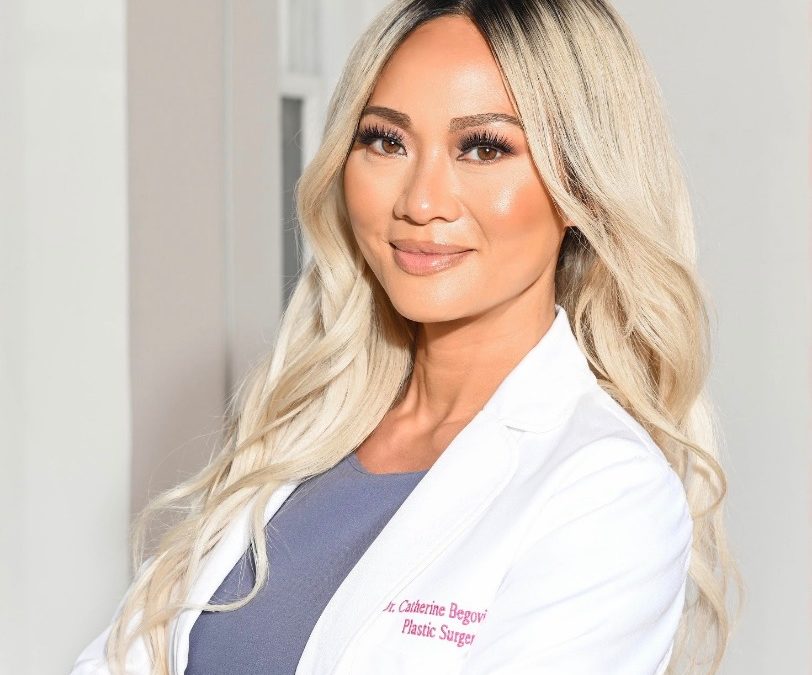
The process of becoming a plastic surgeon was long, painful, and many times felt like a dark tunnel with no light on the horizon. The greatest sacrifice wasn’t the time or money; it was giving up parts of myself to become a good healthcare professional. This was a conscious decision, and I was okay with it.
But as I began practicing medicine, I started growing not just as a surgeon, but as a woman. Step by step, I found myself. It was no longer just about modifying a woman’s body. My purpose started meeting me halfway as I began to understand the true essence of female beauty.
I quickly realized that the aesthetic of the female body has been redefined throughout history, but never on our own terms. For centuries, the ideal of beauty has been dictated from a man’s perspective, and it continues today with Hollywood and fashion trends. But I’ve decided to shift the focus. My work is now about redefining beauty standards to serve women, not society’s expectations. Everything else will fall into place.
Why Are So Few Plastic Surgeons Women?
I recently read that only 15% of plastic surgeons are women, and I’m often asked why that is. The reasons are many, but one is the societal expectation that women should focus on getting married and having children by a certain age. The path to becoming a plastic surgeon is long, 16 years after high school. For most of that time, the education is grueling, the hours are long, and the journey isn’t glamorous.
But for me, plastic surgery was more than a career; it was a calling. The love and passion I have for what I do allowed me to push through sleepless nights, 8-hour surgeries, and moments of self-doubt. Plastic surgery combines my love for science, my technical skill, and my passion for art and beauty. Finding balance between my career, family life, and caring for myself is the greatest blessing. Through my social media and my website, I hope to show women that they can have it all, without having to choose.
The Biggest Struggles as a Female Surgeon
The biggest struggle I’ve faced as a female surgeon is stereotypes and judgments. Even after all my years of training, people would look at me and ask, “Where’s the real doctor?” or assume I worked for a male doctor. Social media has given me a platform to spread the message that anyone can be a doctor, no matter their gender, race, or appearance.
I hope we can all open our minds to see past appearances and support those who are pursuing their passions. We must lift each other up, and I want to give hope to all aspiring doctors out there who may feel discouraged by societal expectations.
My Approach to Plastic Surgery
In my practice, I strive for precision, passion, and patient-centered care. I combine artistry with surgical skill to achieve stunning results that empower my patients to feel their best. Every patient is a unique masterpiece, and my goal is to bring their inner beauty to the surface through cosmetic enhancements.
My journey began in Delaware, followed by Harvard, UCLA, and finally Los Angeles, where I fell in love with surgery. Every step, every challenge, brought me closer to this calling, and I wouldn’t trade it for anything.
A Day in the Life of a Plastic Surgeon
People are always curious about what a typical day looks like for a plastic surgeon. The truth is, no two days are exactly the same, and that’s part of what makes this career so rewarding. A morning might start with patient consultations, reviewing goals, discussing expectations, and creating surgical plans.
Then it’s off to the operating room for scheduled procedures that can range from a quick injectable session to a complex multi-hour body contouring surgery.
After surgery, there’s post-op follow-up, charting, and often administrative work like reviewing imaging or coordinating with your team. Many plastic surgeons also dedicate time to research, teaching, or content creation to educate patients. The hours are long, but when you genuinely love what you do, it doesn’t feel like a burden. Seeing a patient’s confidence transform after a procedure, that’s the payoff that keeps you going through the toughest days.
How to Become a Plastic Surgeon: Education Requirements
If you’re wondering how to become a plastic surgeon, the journey starts with a strong educational foundation. You’ll need a bachelor’s degree, most aspiring surgeons major in biology, chemistry, or a pre-med track, though any major works as long as you complete the prerequisite science courses.
Maintaining a high GPA is essential because medical school admissions are extremely competitive. After your undergraduate degree, you’ll spend four years in medical school earning your MD or DO. The first two years focus on classroom learning, anatomy, physiology, pharmacology, while the last two years are clinical rotations where you get hands-on experience in different specialties. This is often where the passion for plastic surgery really clicks. You see the artistry involved, the way form meets function, and you just know it’s what you want to do with your life.
What Type of Training Is Required for Cosmetic Surgery Specialization?
Many people ask about the difference between plastic surgery and cosmetic surgery training. While all plastic surgeons receive training in cosmetic procedures during residency, some choose to pursue additional fellowship training specifically in aesthetic surgery. This extra year of focused study allows surgeons to refine techniques in breast augmentation, facelifts, body contouring, rhinoplasty, and other popular cosmetic procedures.
Choosing a fellowship with a mentor who shares your aesthetic philosophy can shape your entire career. I was drawn to the artistry of cosmetic surgery early on and sought out training opportunities to develop my own eye for natural-looking results. Whether you go the fellowship route or build your cosmetic skills through practice and continuing education, what matters most is a genuine commitment to patient safety and beautiful outcomes.
Tips for Success on the Path to Plastic Surgery
If you’re serious about learning how to become a plastic surgeon, here are a few things I wish someone had told me earlier. First, start building relationships with mentors as soon as possible. Shadowing experienced surgeons during college or medical school gives you real insight into the specialty and helps you stand out during residency applications.
Second, develop your hand skills early. Take up hobbies that require fine motor control, suturing practice, sculpting, even playing an instrument. Third, don’t underestimate the importance of research. Publishing papers and presenting at conferences demonstrates your commitment to the field. Finally, take care of yourself. The training pipeline is a marathon, not a sprint. Burnout is real, and the surgeons who thrive long-term are the ones who find balance along the way. Stay passionate, stay curious, and never stop learning.
Tips for Young Women Pursuing a Career in Plastic Surgery
- 1. Believe in Yourself
If you’re truly passionate about plastic surgery, know that you can do it. Even in moments of darkness and self-doubt, keep going, keep learning, and keep pushing forward. - 2. Take Care of Yourself
The journey is long, but it’s important to be kind to yourself along the way. Celebrate small victories and practice self-care. Your body and mind are your greatest tools, so take care of them. - 3. Be True to Yourself
You’ll constantly receive opinions about how you should act or dress, but the only opinion that matters is yours. Choose to be you and live your life authentically. Surround yourself with those who support you and focus on positivity.
I am cheering for you and sending you love and support. You can have it all. - Dr Cat
Frequently Asked Questions About How to Become a Plastic Surgeon
How long does it take to become a plastic surgeon?
The full path typically takes 13 to 16 years after high school: four years of college, four years of medical school, and five to six years of surgical residency training. Some surgeons add a fellowship year for extra specialization in cosmetic or reconstructive techniques.
Do you need board certification to practice as a plastic surgeon?
Board certification through the American Board of Plastic Surgery is not legally required to practice, but it is strongly recommended. It demonstrates that a surgeon has completed accredited training and passed rigorous examinations, giving patients confidence in their qualifications and skill level.
What is the difference between a plastic surgeon and a cosmetic surgeon?
Plastic surgeons complete residency training in both reconstructive and cosmetic procedures. Cosmetic surgery is a subspecialty focus within plastic surgery. Some doctors from other specialties also perform cosmetic procedures, but their training pathways differ significantly from board-certified plastic surgeons.