
What Is Dimpling and Why Does It Occur?
So what is dimpling, exactly? Dimpling refers to a visible indentation or depression in the skin that can appear on various parts of the body. While many people associate dimples with the charming creases on cheeks or chins, dimpling can also occur on the breasts, thighs, and other areas, and in some cases, it may signal an underlying medical concern. Understanding the different types of dimpling, their causes, and when they require professional evaluation is essential for both cosmetic and health-related reasons.
At its most basic level, dimpling happens when the skin is pulled inward by underlying structures. On the face, this is typically caused by variations in facial muscle anatomy. On the body, dimpling may result from changes in connective tissue, fat distribution, or in more serious cases, the presence of a tumor pulling on surrounding tissue. The context in which dimpling appears determines whether it is a harmless cosmetic trait or a symptom that warrants medical attention.
Next step: new dimpling on a breast should be checked by your doctor first, and this article explains the warning signs below. For cellulite and skin texture on the body, read about ThermiSmooth Body with Dr. Cat, or book a free discovery call.
Facial Dimples: Anatomy and Genetics
Facial dimples are among the most recognized and socially valued forms of dimpling. They most commonly appear on the cheeks, though chin dimples (sometimes called cleft chins) are also prevalent. Cheek dimples are caused by a variation in the zygomaticus major muscle, the muscle responsible for pulling the corners of the mouth upward when you smile. In individuals with dimples, this muscle may split into two separate bundles or have a shorter-than-typical attachment to the skin, creating a visible indentation during facial expressions.
Dimples are often described as a genetically inherited trait, though the inheritance pattern is not as straightforward as once believed. While earlier studies suggested dimples followed a dominant gene pattern, more recent research indicates that the genetics are likely more complex, involving multiple factors. Dimples may appear on one side (unilateral) or both sides (bilateral) of the face, and they can become more or less prominent with age as facial fat and skin elasticity change over time.
Breast Dimpling: Causes and Warning Signs
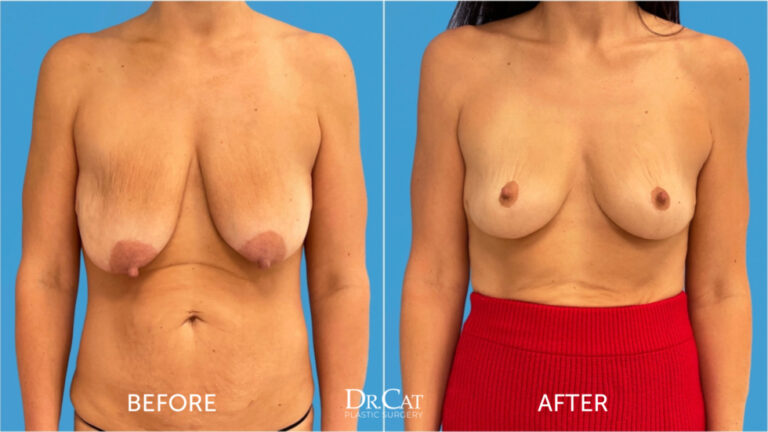
Breast dimpling is a distinct and medically significant form of skin dimpling that should never be ignored. Unlike facial dimples, which are a normal anatomical variation, dimpling on the breast can be an early sign of breast cancer. Breast dimpling occurs when a tumor growing beneath the skin pulls on surrounding connective tissue, creating a visible indentation or puckering on the breast surface. The skin may resemble the texture of an orange peel, a presentation doctors refer to as peau d'orange.
Research shows that breast dimpling can sometimes be the only visible symptom of breast cancer, appearing even before a lump can be felt. This is because certain types of tumors, particularly inflammatory breast cancer, affect the lymphatic vessels and skin rather than forming a distinct mass. Inflammatory breast cancer may cause the breast to appear swollen, red, or dimpled without producing a palpable lump, making skin changes one of the earliest detectable signs.
"I always tell my patients to pay attention to their skin, not just how it looks cosmetically, but how it changes over time. Breast dimpling in particular is something that can appear very subtly. If you notice any puckering or texture change that wasn't there before, get it checked. It's almost always better to be cautious than to wait."
Dr. Cat Begovic, Board-Certified Plastic Surgeon
How Common Is Breast Dimpling as a Cancer Symptom?
While breast dimpling is not the most common presenting symptom of breast cancer (a palpable lump remains the most frequently reported sign) it is a well-documented indicator that warrants prompt evaluation. Breast dimpling may be associated with several forms of breast cancer, including invasive ductal carcinoma and inflammatory breast cancer. The presence of dimpling versus a lump does not necessarily indicate a specific cancer type on its own, but inflammatory breast cancer is particularly associated with skin changes rather than discrete masses.
Not all breast dimpling indicates cancer. Benign causes include fat necrosis (damaged fatty tissue that forms a firm lump), breast surgery scarring, or infections that cause inflammation and tissue retraction. However, because the potential consequences of a missed cancer diagnosis are serious, any new or unexplained dimpling on the breast should be evaluated by a healthcare provider through clinical examination and imaging such as mammography or ultrasound.
What to Do If You Notice Breast Dimpling
If you observe dimpling, puckering, or texture changes on your breast skin, schedule an appointment with your physician promptly. Self-breast exams performed regularly can help you become familiar with the normal appearance and feel of your breast tissue, making it easier to detect changes early. During your visit, your doctor may recommend diagnostic imaging or a biopsy to determine the cause. Early detection remains one of the most important factors in successful breast cancer treatment outcomes, so prompt evaluation is always recommended.
Body Dimpling: Cellulite and Skin Texture Changes
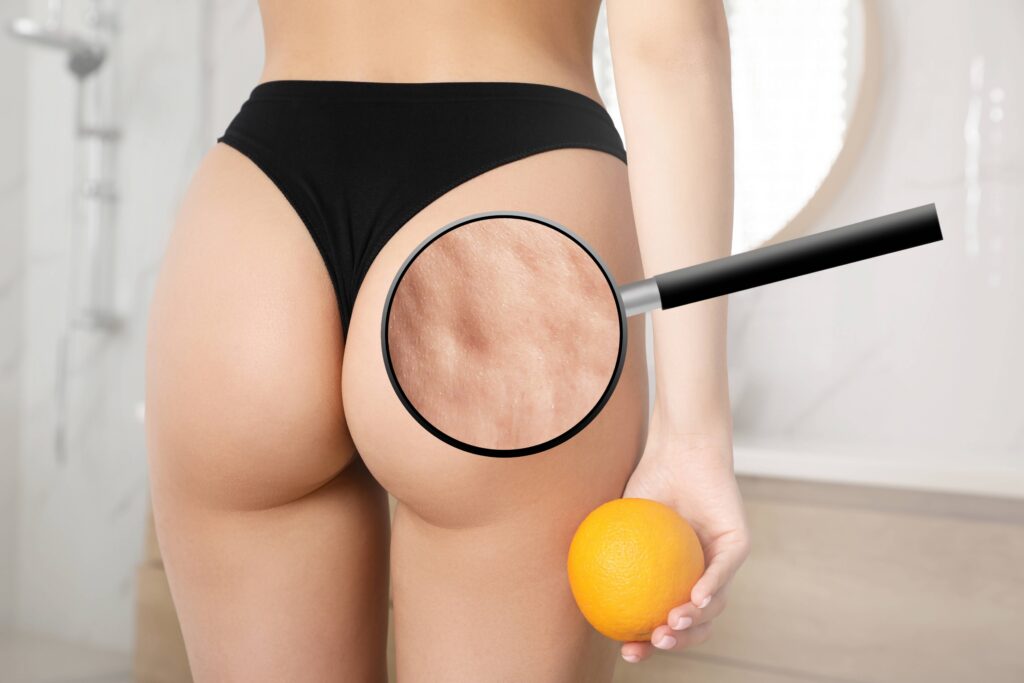
Beyond the face and breasts, dimpling commonly appears on the thighs, buttocks, abdomen, and upper arms in the form of cellulite. Cellulite-related dimpling affects a large majority of women and is caused by the way fat deposits interact with the connective tissue bands (called fibrous septae) that anchor the skin to underlying muscle. When fat cells enlarge or connective tissue bands tighten, the skin is pulled downward at the attachment points, creating the characteristic dimpled or quilted appearance.
Cellulite dimpling is not a medical condition and poses no health risk, but it is one of the most common cosmetic concerns patients bring to dermatologists and plastic surgeons. Factors that influence the severity of cellulite dimpling include genetics, hormonal changes, body composition, skin thickness, and age. As skin loses collagen and elasticity over time, existing dimpling may become more pronounced.
Chin Dimpling and Facial Skin Texture
Another form of cosmetic dimpling occurs on the chin, sometimes described as a "pebbled" or "golf ball" texture. This type of chin dimpling is caused by overactivity of the mentalis muscle, which controls the movement of the lower lip and chin. When this muscle contracts excessively during speaking, chewing, or making facial expressions, it creates small, irregular indentations across the chin surface. Unlike cheek dimples, which are generally considered attractive, chin dimpling is often perceived as an aging concern and can become more noticeable as skin thins with age.
Treatment Options for Dimpling
Treatment for dimpling depends entirely on its type, location, and underlying cause. Cosmetic dimpling, whether on the face, chin, or body, can be addressed through a range of aesthetic procedures, while medically significant dimpling requires diagnostic workup and disease-specific treatment.
For chin dimpling caused by mentalis muscle overactivity, neuromodulator injections (such as Botox) are a widely used treatment. Small amounts of the neuromodulator are injected directly into the mentalis muscle, relaxing it and smoothing the pebbled texture. Results typically last three to four months, and the procedure can be repeated as needed. Many patients report that consistent treatment over time may lead to longer-lasting improvement as the muscle gradually weakens from reduced use.
Cosmetic Procedures for Body and Facial Dimpling
For cellulite-related dimpling on the body, treatment options include subcision (a minimally invasive procedure that releases the fibrous bands pulling the skin downward), radiofrequency treatments, laser-assisted therapies, and injectable fillers designed to smooth depressed areas. Results vary by patient and technique, and multiple sessions may be required. Patients considering these treatments should consult with a board-certified dermatologist or plastic surgeon to discuss realistic expectations and the approach best suited to their anatomy.
For patients who desire facial dimples rather than wanting to reduce them, dimpleplasty is a minor surgical procedure that creates permanent cheek dimples. During dimpleplasty, a small incision is made inside the mouth, and a suture is placed to connect the inner cheek muscle to the skin, mimicking the natural anatomy that produces dimples. Recovery is typically brief, with most patients returning to normal activities within a few days.
When Dimpling Requires Medical Treatment
When dimpling is a symptom of an underlying condition, particularly breast cancer, treatment focuses on addressing the disease itself rather than the cosmetic appearance of the skin. Treatment plans for breast cancer may include surgery, radiation therapy, chemotherapy, hormonal therapy, or a combination of these approaches, depending on the type and stage of cancer diagnosed. The dimpled appearance of the skin often improves or resolves as the underlying tumor is treated, though some patients may have residual skin changes that can be addressed through reconstructive procedures after cancer treatment is complete.
Regardless of the cause, any new or changing dimpling on the body, especially on the breasts, should be evaluated by a qualified medical professional. Early assessment leads to better outcomes in cases where dimpling signals a serious condition, and it provides peace of mind when the cause turns out to be benign.
"When it comes to cellulite dimpling or chin texture, patients often think nothing can be done. But we actually have several effective tools now, from subcision to neuromodulators, that can make a real difference. The key is matching the right treatment to the specific type of dimpling and setting honest expectations about what each approach can achieve."
Dr. Cat Begovic, Board-Certified Plastic Surgeon