

Your Guide to Facial Contouring
As much as we appreciate the privilege of aging, most of us could do without the unwelcome volume loss and sagging skin that often comes with time.
Facial contouring procedures are one way to avoid temporary fixes and revitalize your youthful glow for good. But amidst the array of options out there, which is best for you?
In the realm of facial rejuvenation, we'll compare two treatments that promise transformative results: facial fillers and fat grafting to the face, both expertly performed by the renowned plastic surgeon, Dr. Cat Begovic. Understanding your facial contours, the natural curves and angles formed by bone structure, fat pads, and soft tissue, is the first step toward choosing the right rejuvenation approach. Whether you're looking to restore lost volume in the cheeks or redefine the jawline, knowing how these contours shift over time helps you and your surgeon create a personalized plan.
Whether you are considering jawline sculpting, cheek enhancement, or chin refinement, Dr. Cat brings years of hands-on surgical and non-surgical experience to every facial contouring consultation. In our experience, the best outcomes come from a personalized plan that accounts for your unique bone structure, skin quality, and aesthetic goals.
In today's article, we'll explore the ins and outs of each procedure, as well as the benefits and potential drawbacks, to make it easier when choosing the right method for your unique circumstances.
What Are Facial Fillers?
Facial fillers, also known as dermal fillers, are non-surgical cosmetic treatments designed to restore volume, enhance facial contours, and diminish the appearance of wrinkles and fine lines via injectable gels.
They can also be non-surgical alternatives to procedures like chin implants and rhinoplasty.
These injectable gels are typically made from a combination of hyaluronic acid, polylactic acid, collagen, calcium hydroxylapatite, or other substances chosen for their ability to add volume and restore facial structure.
By carefully and artfully injecting fillers into specific areas of the face (like your under eyes, cheeks, lips, nasolabial folds, or even ears), they can plump and rejuvenate the skin, resulting in a more refreshed and youthful appearance.
So, who qualifies for facial fillers? Almost everyone.
Eligibility
If you want a quick and effective way to enhance facial contouring, address signs of aging, or improve specific facial features without surgery or extensive downtime, fillers are the way to go.
The prerequisites are as simple as:
You might not be a good candidate for fillers if any of the following criteria apply:
Now that we have the precursors covered, let's dive into the procedure itself.
Procedure
At Dr. Cat's practice, every treatment begins with a comprehensive facial analysis and in-depth consultation. Your initial meeting is the most extensive, allowing for a detailed assessment of your unique facial features, concerns, and aesthetic goals.
Once you're ready to receive your facial fillers, Dr. Cat will use different solutions to cleanse your face and reduce any risk of infection.
Then comes the facial contouring.
To ensure a comfortable experience during treatment, Dr. Cat uses ice and a special probe to minimize the likelihood of pain.
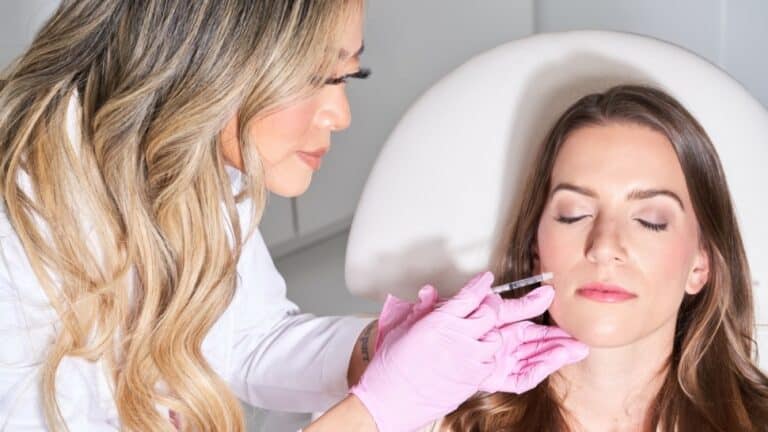
After mapping out your treatment areas, she skillfully administers the filler using an ultra-fine needle. With meticulous precision and artistic expertise, she injects small amounts of filler to sculpt and shape the desired aesthetic.
Every step of the process is guided by your extensive pre-procedure discussions, ensuring the best possible outcome tailored to your desired goals.
The procedure typically takes 30 to 60 minutes, depending on the complexity of the treatment and considerations discussed beforehand.
Facial rejuvenation in just one hour? Sold!
Recovery
Similar to Botox, facial fillers have no downtime or recovery time.
That said, there are a few guidelines you'll have to follow in the first 24 hours to ensure optimal results, such as:
You may experience swelling or bruising after treatment that typically subsides after a few days. If directed, you can apply ice to gently massage and soothe the treated areas.
Depending on the type of filler used, your results can last from several months to years.
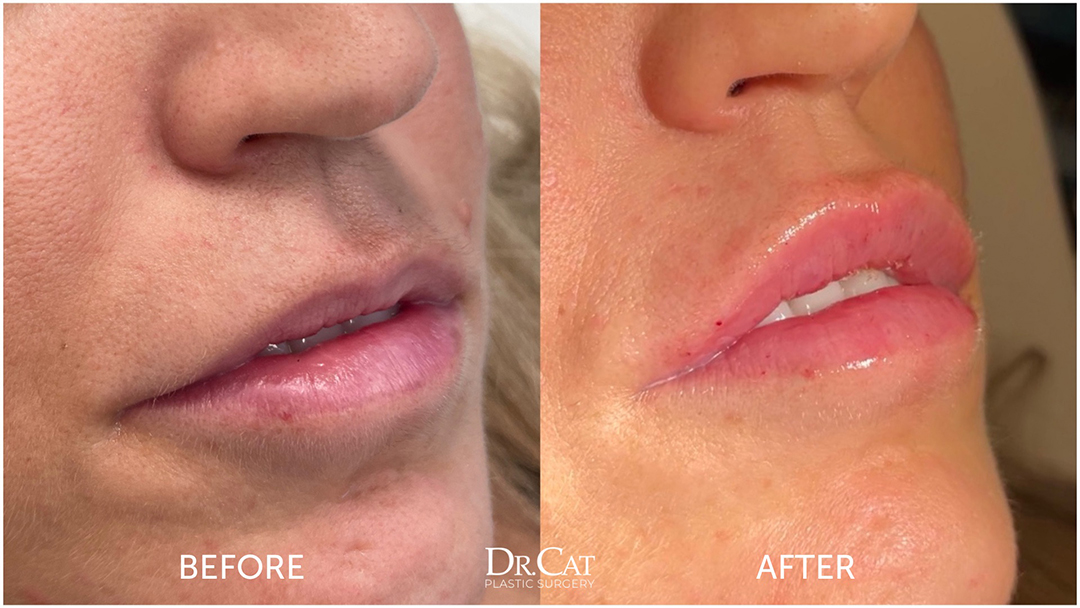
Together with Dr. Cat, you'll establish a personalized maintenance plan to sustain long-term results with future treatments.
In other words, you'll never miss a beat on looking and feeling your absolute best.
So, what's the cost of fillers for facial rejuvenation?
Cost
In addition to minimal downtime, many patients prefer fillers instead of fat grafting because of their affordability.
On average, the cost of facial fillers can range from several hundred to several thousand dollars per treatment session. Fillers typically come in either half or full syringes.
Some factors that can influence the price of facial fillers are:
Thinking of pursuing facial contouring with fillers?
Benefits and Drawbacks
If you're considering fillers to enhance your confidence and appearance, weighing the benefits and drawbacks to make an informed decision is essential.
First, the good:
Now, the potential drawbacks:
Now that we've covered fillers, it's time to turn our attention to Dr. Cat's preferred method of facial rejuvenation: facial fat grafting.
What Is Fat Grafting to the Face?
Facial fat grafting, also called facial fat transfer, is a procedure that involves harvesting fat from a discrete part of your body (belly, thigh, or flank) and strategically injecting it into your face.
This helps restore volume, improve facial contouring, and rejuvenate your appearance.
In some cases, Dr. Cat combines facial fat transfer with facelift surgery for a more comprehensive and revitalized transformation.
So, why does Dr. Cat favor fat grafting instead of fillers?
Her preference stems from its ability to create a more natural look. Many of her patients emphasize wanting to rejuvenate their facial appearance but are afraid of looking puffy or "like a chipmunk."
Dr. Cat believes that using a patient's own fat for rejuvenation can restore facial balance and harmony in a more natural way.
Eligibility
Since this procedure uses your body's natural resources to sculpt and rejuvenate your face, you must meet a few more criteria to qualify for fat grafting instead of fillers.
If you check off these boxes, you're a prime candidate:
On the other hand, you may not be the best fit if any of these apply to you:
Procedure
Like facial fillers, your first appointment begins with an in-depth consultation involving a detailed facial evaluation, your medical history, current health, and finally, your goals and expectations.
While facial fat grafting can be performed under local anesthesia alone, it can often be a bit uncomfortable. Therefore, Dr. Cat combines localized numbing with general anesthesia to ensure your comfort and safety.
The first step in Dr. Cat's pioneering multi-stage technique is carefully extracting fat from discrete, tactfully chosen donor sites on your body. Next, the fat is transferred to the face via a layering method through tiny, hidden incisions.
In cases where a facelift is performed concurrently, the donor fat is introduced through the facelift incisions, eliminating the need for additional ones.
The result? Stunning facial rejuvenation and virtually invisible scars.
As for duration, the procedure can take two to four hours, depending on additional procedures and how much liposuction is involved.
After the procedure, it's time to focus on healing.
Recovery

Although the recovery process for fat grafting to the face may be more extensive compared to fillers, the long-lasting, natural results it yields make it a worthwhile journey.
That said, Dr. Cat's specialized technique allows for minimal pain and a speedy recovery.
With regards to your face, you may experience minimal swelling, bruising, or discomfort within the first week. Then it will take about a month to see the full facial contouring results.
For the liposuctioned areas, recovery varies according to the extent and number of areas treated.
Here's what your initial recovery timeline will look like:
Dr. Cat prides herself on achieving natural-looking results that enhance your appearance without creating noticeable or abnormal changes.
Thanks to her expertise and artistic approach, you can expect a gorgeous, refreshed look that stays true to your unique beauty.
When it comes to cost, how does fat grafting compare to facial fillers?
Cost
Fat grafting to the face can cost anywhere from $2,500 to $10,000.
Pricing varies according to:
While initially costlier than fillers, facial fat grafting offers long-term results, eliminating the need for repeat treatments, which can add up over time.
Ultimately, the investment in facial fat grafting is often worth it for those seeking lasting, natural results.
Think facial fat grafting might be a good fit? Before choosing the right method for you, let's lay out the pros and cons.
Benefits and Drawbacks
When it comes to achieving natural facial rejuvenation, fat transfer offers distinct benefits and potential drawbacks.
The benefits of facial fat grafting are:
As for the potential downsides:
Jawline Contouring and Sculpting: What to Know
Jawline contouring has become one of the most requested treatments for patients seeking a more defined lower face. A strong, well-defined jawline creates visual balance between the chin, cheeks, and neck. Volume loss along the jaw can cause jowling and a less distinct profile, making the face appear heavier or older than it is.
Treatment options range from dermal fillers placed along the mandibular border to surgical approaches like liposuction of the submental area or chin implants. Fillers offer a quick, non-surgical path to a sharper jawline, while surgical methods deliver more dramatic, long-lasting definition. We typically find that patients who want subtle refinement respond well to filler, while those with moderate skin laxity or excess submental fat benefit from a surgical plan. During your consultation, Dr. Cat evaluates your jaw anatomy, skin elasticity, and facial proportions to recommend the right approach.
The Role of the Cheek and Chin in Facial Rejuvenation
Your cheeks and chin work together to frame the face. When volume loss occurs in the midface, the cheeks flatten and descend, which can blur the jawline and create a tired appearance. Restoring projection to the malar (cheekbone) area lifts the midface and brings definition back to the lower face as well. Similarly, a well-proportioned chin anchors the profile and balances the nose and forehead. Dr. Cat often evaluates both areas together, a panfacial approach, because treating the cheek alone without considering the chin can leave facial contours looking unbalanced. Whether through filler placement along the zygomatic arch or fat grafting to the prejowl sulcus, addressing these two zones as a pair tends to deliver the most natural-looking results.
Non-Surgical vs. Surgical Facial Contouring Methods
Patients often ask us whether they should start with non-surgical treatments or go straight to surgery. The answer depends on the degree of correction needed and your comfort level with downtime. Non-surgical facial contouring methods include hyaluronic acid fillers, calcium hydroxylapatite injections, and energy-based skin tightening devices. These options work well for mild to moderate volume loss and require little to no recovery time.
Surgical methods, such as fat grafting, facelifts, buccal fat removal, and chin or cheek implants, address more significant structural changes. They involve a recovery period but produce results that can last years rather than months. Many patients begin with fillers to preview their desired look before committing to a surgical procedure. This staged approach gives you confidence in the final result and helps Dr. Cat fine-tune your treatment plan based on real-world feedback from your own face.
According to a study published in the Aesthetic Surgery Journal, fat grafting retention rates in the face range from 40% to 60% at one year, supporting the need for potential touch-up sessions.
What to Expect: Recovery and Results Timeline
Recovery varies depending on whether you choose fillers or fat grafting. With dermal fillers, most patients return to daily activities the same day. Mild swelling and bruising around injection sites typically resolve within a week, and you'll see your refreshed facial contours almost immediately. Fat grafting involves a bit more downtime, usually five to seven days of noticeable swelling in both the donor site and the face. Because the body reabsorbs a portion of transferred fat during the first few weeks, final results generally stabilize around three to six months post-procedure. Dr. Cat recommends avoiding strenuous exercise for at least two weeks after fat transfer and sleeping with your head slightly elevated to minimize swelling. Touch-up sessions may be recommended to fine-tune volume and symmetry once healing is complete.
Frequently Asked Questions About Facial Contouring
How long do results last when restoring facial contours with fillers?
Hyaluronic acid fillers used to restore facial contours typically last between six months and two years, depending on the product, treatment area, and your metabolism. Thicker fillers placed along the cheekbones tend to last longer than those used in more mobile areas like the lips.
Can fat grafting and fillers be combined to improve facial contours?
Yes, some patients benefit from a combination approach. Fat grafting can provide long-lasting volume to larger areas like the cheeks, while fillers offer precise refinement in smaller zones such as the nasolabial folds or under-eye hollows. Dr. Cat can recommend the best strategy during a consultation.
Who is a good candidate for facial contouring procedures?
Good candidates are generally healthy adults who notice volume loss, sagging, or asymmetry in their facial contours. Non-smokers with realistic expectations tend to heal well and achieve the most satisfying outcomes. A personalized evaluation helps determine whether fillers, fat grafting, or both are right for you.
How does jawline contouring differ from cheek contouring?
Jawline contouring targets the lower face to create a sharper, more defined mandibular border. Cheek contouring restores midface volume and lifts the area around the cheekbones. Both can be performed together for full facial balance.
Is facial contouring safe for all skin types?
Most healthy adults with realistic expectations are good candidates regardless of skin type. Dr. Cat evaluates your skin quality, bone structure, and medical history during a consultation to confirm you are a safe candidate for your chosen procedure.
What is the typical cost range for facial contouring treatments?
Costs vary based on the technique used. Dermal filler sessions generally start lower than surgical options like fat grafting. During your consultation, Dr. Cat provides a personalized quote that reflects your specific treatment plan and goals.
Rediscover Your True Reflection with Dr. Cat Plastic Surgery
One thing is clear: the path to facial rejuvenation is paved with careful considerations and the guidance of a skilled, compassionate surgeon. Choosing a doctor who understands your vision, concerns, and possesses the technical mastery to achieve your aesthetic goals is non-negotiable.
Dr. Cat stands as a beacon of expertise and prestige in the world of facial contouring. With her extensive repertoire and unwavering dedication to the art of beauty enhancement, she has transformed countless lives, helping individuals regain their confidence and radiate renewed vitality.
Together, you'll assess the differences between the fat transfer vs. filler techniques and choose the right course of action for you.
Schedule your consultation with Dr. Cat today, and let your transformation begin!